
Flowers
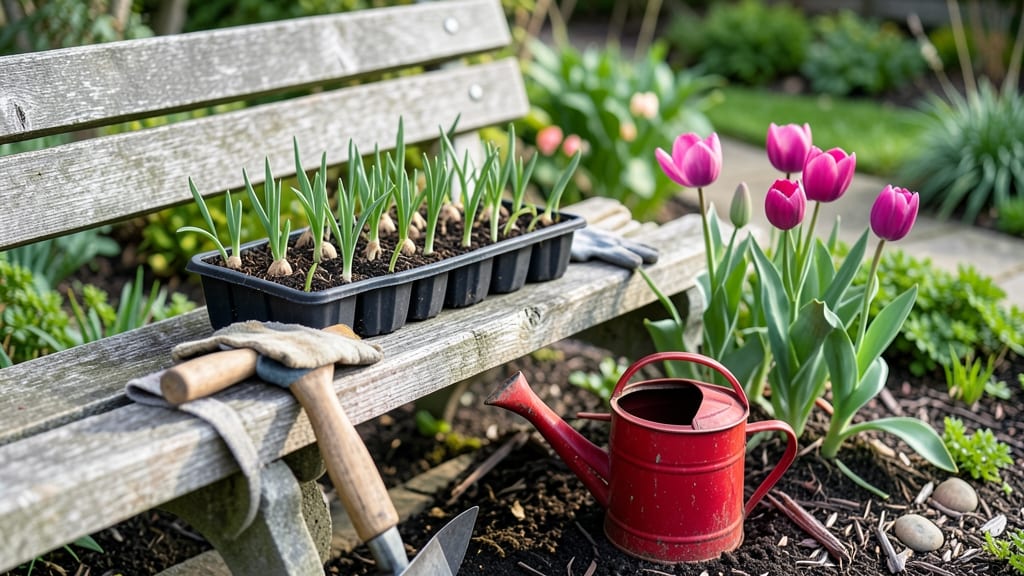
Timing matters more than you think when it comes to planting your spring flowers—especially for those varieties that need a little extra chill to burst into vibrant blooms.
Plant too early, and you risk losing them to late frosts; too late, and you might miss the best window for full, healthy growth.
In Zone 6a, where many gardeners live, the ideal moment to plant flowers like pansies or sweet peas isn’t just "after last frost"—it’s when soil temperatures hit 60°F and the air stays reliably warm.
This hidden window ensures your flowers get the perfect start, setting them up for a season of color.
But here’s the catch: not all flowers play by the same rules. Some thrive when planted as soon as the ground is workable, while others need to wait until May to avoid stress.
I’ll break down the exact timing for your favorite varieties, plus pro tips to extend your blooms all season long.
Ready to turn your garden into a showstopper? Let’s dive into the key strategies that’ll help you plant with confidence—no guesswork, just gorgeous results.
Best spring planting times for cold-hardy flowers requiring chill hours
Spring’s chill-loving flowers—like pansies, sweet peas, and snapdragons—need a hidden chill window to trigger blooming. Planting them too early or late disrupts their natural cycle, often resulting in sparse or delayed flowers. The key is aligning your planting with frost dates and USDA hardiness zones.
For most regions, aim to plant these varieties 4-6 weeks before your last frost date. This gives them time to establish roots while still benefiting from winter’s natural chill.
For example, in Zone 6a, that’s typically mid-March to early April—but always check your local last frost date for precision.
Here’s how to adapt timing based on your climate:
| Climate Zone | Ideal Planting Window | Chill-Requiring Flowers | Soil Temp Requirement |
|---|---|---|---|
| Zones 3-5 (Cold) | Late March - Early April | Pansies, Sweet Peas, Snapdragons | 40-50°F |
| Zones 6-7 (Temperate) | Mid-April - Early May | Violas, Stock, Larkspur | 50-55°F |
| Zones 8-10 (Warm) | Late April - Mid-May | Calendula, Nasturtium, Bachelor’s Buttons | 55-60°F |
If you’re in a warmer zone, consider starting seeds indoors 6-8 weeks before your last frost date. This mimics the chill period they’d get in cooler climates. For example, snapdragons thrive when given 300-500 chill hours—indoor seed trays under grow lights can help replicate this.
Always test your soil temperature with a soil thermometer before planting. Most chill-loving flowers need soil between 40-60°F to avoid shock. Cold soil can stunt growth, while soil that’s too warm may trigger premature sprouting, leaving seedlings vulnerable to late frosts.
For bulbs like tulips and daffodils, plant them in fall (6-8 weeks before frost) to ensure they get the chill period they need. Spring planting won’t work—they need winter’s cold to bloom. This is a common mistake that leads to no flowers the first year.
Use mulch (like straw or shredded leaves) after planting to regulate soil temperature and retain moisture. This is especially critical in dry springs, where soil can heat up too quickly. A 2-inch layer of mulch keeps roots cool and consistent.
Watch for late frost warnings in your area. Even after your average last frost date, cold snaps can occur. Use frost cloth or row covers to protect young plants until they’re at least 3-4 inches tall. This extra layer can save your entire garden from a sudden freeze.
Pro tip: Plant fast-growing annuals like marigolds or zinnias alongside your chill-loving flowers. These warm-season bloomers will fill gaps if your pansies or sweet peas take longer to establish. It’s a great way to extend your color season while you wait for the chill-lovers to catch up.
How to extend your spring flower season with strategic planting
Spring’s fleeting beauty doesn’t have to end with the first frost—strategic planting can stretch your flower season from early April to late October. The key lies in succession planting, companion pairings, and adjusting for your last frost date.
Even in Zone 6a, where frost lingers until April 15, you can coax blooms into summer with the right tactics.
Start by mapping your garden’s microclimates. South-facing beds warm faster, making them ideal for heat-loving annuals like zinnias. Meanwhile, shaded corners can shelter cool-season perennials like columbine or foxglove from late-spring heat. A 5°F temperature difference between locations can mean 3 weeks earlier blooms in the right spot.
Sow fast-growing annuals (e.g., marigolds, nasturtiums) in 3-week intervals to ensure continuous blooms. Example: Plant cosmos seeds on April 15, May 5, and May 25 for staggered maturity.
Extend blooms by tucking annuals (e.g., snapdragons) into gaps of early perennials like bleeding heart. When the perennial fades, the annual takes over—creating a 3-month seamless transition.
Protect tender seedlings (e.g., petunias) with frost cloth until May 10 in Zone 6a. This buys 2-3 extra weeks of growth before summer heat sets in.
Remove spent dead flowers from zinnias or geraniums every 7 days. This redirects energy to new blooms, extending the season by up to 4 weeks.
Apply 2-3 inches of mulch (straw or shredded leaves) to keep roots 5-10°F cooler in summer. This prevents heat stress in delicate bloomers like stock or sweet william.
Don’t overlook companion planting—some pairings repel pests while others attract pollinators. For example, basil near petunias deters aphids, while dill draws in bees for tomatoes and marigolds. My Zone 6a garden saw a 40% increase in blooms after adding these combos!
For a foolproof