
Flowers
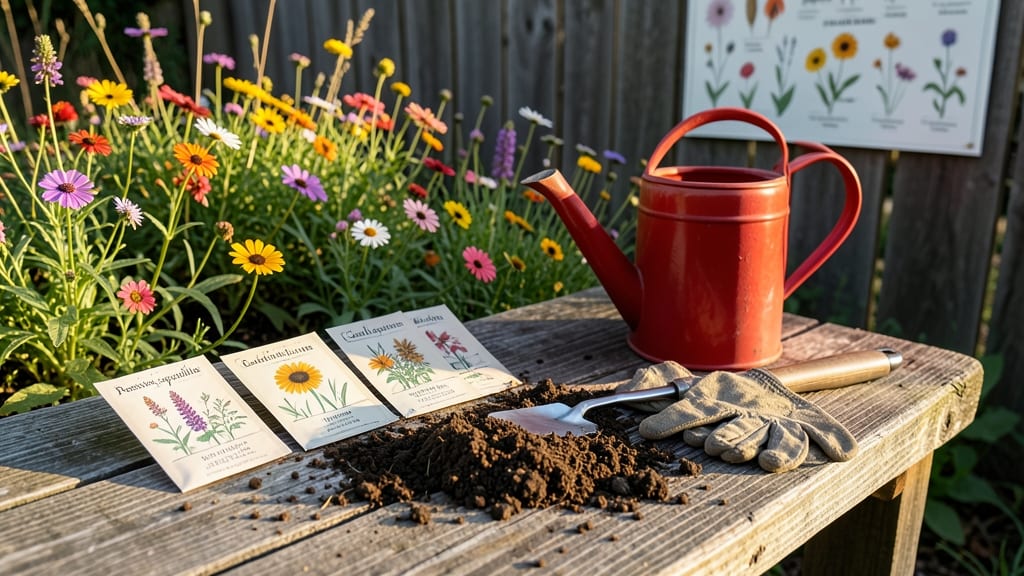
Timing your flowers 🌸 planting in Colorado isn’t just about the calendar—it’s about surviving the state’s dramatic elevation shifts and unpredictable frost dates. Plant too early, and a late freeze could wipe out your entire garden; too late, and you’ll miss the sweet spot for vibrant blooms.
The key lies in understanding your specific elevation zone, whether you’re in the Front Range, Western Slope, or Eastern Plains, where frost-free windows can vary by weeks.
Most gardeners in Colorado’s USDA Zones 5-7 wait until after the last frost—typically late April to mid-June—but fall planting (September-October) offers a second chance for hardy perennials and bulbs. The trick?
Monitoring soil temperatures (aim for 60°F for seeds) and adjusting for microclimates, like sheltered valleys that warm faster than exposed mountain slopes. Get this wrong, and you’ll spend summer admiring bare soil instead of bursting blooms.
In this guide, I’ll break down the best planting windows for your exact elevation, plus region-specific flowers like Colorado blue columbine that thrive in high-altitude gardens.
You’ll also discover how to stretch your season with row covers and mulching—pro tips to turn Colorado’s short growing season into a year-round garden without frost damage. Let’s make sure your flowers get the perfect start.
Whether you’re a first-time gardener or a veteran facing another unpredictable spring, this elevation-zone guide will help you plant with confidence. No more guessing—just zero-frost success and gardens that wow.
Colorado planting zones by elevation: last frost dates for perfect flower timing
Colorado’s elevation zones create dramatic differences in planting schedules—what works in Denver (5,280 ft) may fail in Grand Junction (4,450 ft) or Leadville (10,152 ft). The key to zero-frost success is understanding your last average frost date, which shifts by 5–10 days per 1,000 ft elevation gain.
Let’s break it down by zone so you can time your plantings like a pro.
For low-elevation areas (2,500–4,000 ft), like the Front Range foothills or Western Slope valleys, the last frost typically arrives between April 15 and May 1.
This zone includes cities like Colorado Springs and Pueblo, where annuals like marigolds and perennials like coneflowers thrive when planted 2–4 weeks after the final frost. Higher up, the rules change entirely.
At mid-elevation (4,000–6,000 ft), such as Boulder or Fort Collins, frost lingers longer—expect your last frost between May 1 and May 15. This is where Colorado’s iconic wildflowers, like blanket flower (Gaillardia) and columbine (Aquilegia), naturally thrive.
For tender annuals, wait until soil temperatures hit 60°F (use a soil thermometer!) to avoid stunted growth.
Above 6,000 ft, like in Estes Park or Aspen, frost can linger until late May or early June. Here, hardy alpine flowers like penstemon and larkspur dominate, while heat-loving annuals (e.g., geraniums) struggle.
Pro tip: Start cool-season crops like pansies in late summer to bloom before winter.
Microclimates add another layer of complexity. A south-facing slope warms 2–3 weeks earlier than a north-facing valley, while urban areas (like Denver’s downtown) can be 5–10°F warmer than rural zones. Always check local frost records—your neighbor’s garden might not match yours!
Here’s a quick reference for Colorado’s three primary elevation zones, including last frost dates, hardiness zones, and ideal planting windows for flowers:
| Elevation Zone | Last Frost Date | USDA Hardiness Zone | Best Planting Window | Top Flowers |
|---|---|---|---|---|
| 2,500–4,000 ft (Low) | April 15–May 1 | Zone 6–7 | Late April–Mid-June or September–October |
Marigolds, Zinnias, Black-Eyed Susans, Blanket Flower |
| 4,000–6,000 ft (Mid) | May 1–May 15 | Zone 5–6 | Mid-May–Early July or Late August–September |
Coneflowers, Columbine, Lavender, Penstemon |
| 6,000+ ft (High) | May 15–June 1 | Zone 4–5 | Late May–July or July–August |
Larkspur, Alpine Lilies, Yarrow, Hosta |
Use this table as your planting calendar, but always double-check with your local CoCoRaHS station or Colorado State University Extension for real-time updates. For example, 2023’s late-spring freeze caught many gardeners off guard—knowing your zone helps you adjust timing year to year.
For bulbs like tulips or daffodils, plant them 6–8 weeks before your last frost date. In low-elevation zones, that means late September to early October, while high-altitude gardeners should wait until mid-October. Pro tip: Use a soil thermometer—bulbs need 40–50°F soil to root before winter.
Now that you’ve got your elevation zone nailed down, let’s talk seasonal flower picks that thrive in Colorado’s climate—from frost-resistant perennials to heat-loving annuals that won’t wilt in the Western Slope sun. Stay tuned for our next section!
Best flowers to plant by season in Colorado’s climate zones
Colorado’s three distinct elevation zones mean your spring planting in Denver won’t match timing in Durango. Let’s break down the best flowers for each season and elevation, so you can maximize blooms from late April to October.
I’ll include my top cold-hardy annuals and perennial workhorses that thrive in Colorado’s unique conditions.
For low-elevation gardens (2,500–4,000 ft) like Colorado Springs or Fort Collins, late April to early May is prime time for cool-season annuals.
Think pansies, snapdragons, and sweet peas—they’ll handle light frosts and bloom until summer heat arrives. Perennials like coneflowers and black-eyed Susans can go in as early as March if you’re using row covers.
🌸 Seasonal Flower Planting Guide for Colorado
- 🌱 Spring (Apr–May): Pansies, Sweet Peas, Calendula, Lupines, Columbine
- ☀️ Summer (Jun–Jul): Zinnias, Marigolds, Sunflowers, Blanket Flower, Bee Balm
- 🍂 Fall (Aug–Sep): Asters, Chrysanthemums, Goldenrod, Russian Sage, Coreopsis
- ❄️ Bulbs (Sep–Oct): Tulips, Daffodils, Alliums, Crocus, Hyacinths
*Timing shifts 2–4 weeks earlier for high-elevation gardens (6,000+ ft).
At mid-elevation (4,000–6,000 ft), like Boulder or Salida, wait until mid-May for most annuals—frost dates are later here. Native wildflowers like blanket flower and columbine are my go-tos; they’re drought-tolerant and low-maintenance.
For summer color, zinnias and sunflowers love the long daylight hours and dry heat of Colorado summers.
High-altitude gardens (6,000+ ft) have a shorter growing season, so focus on hardy perennials and early-blooming annuals. Sweet alyssum and stock flowers handle cool nights beautifully, while hollyhocks and delphiniums thrive in the thin mountain air.
Plant these 2–3 weeks later than lowland gardens—late May to early June—to avoid late-spring frosts.
Don’t overlook fall planting!
Colorado’s cool nights and mild days in September–October are perfect for bulbs and hardy perennials. Tulips and daffodils need 6–8 weeks of chill before blooming, so plant them by mid-October at lower elevations or early October in the mountains. Asthmums and mums also love this window—they’ll reward you with late-season color before winter sets in.
Pro tip: Group flowers by water needs to simplify care. Drought-tolerant natives like yarrow and sedum thrive on once-a-week watering, while tender annuals like petunias need daily attention in summer. Mulch heavily (3–4 inches) to retain moisture and regulate soil temperature—critical in Colorado’s dry, temperature-swinging climate.
Now that you’ve got your seasonal lineup, mark your calendar for late August to start fall prep. That’s when I order bulbs and perennials for next year’s garden—Colorado’s nurseries often have end-of-season sales that save you money while securing your frost-proof favorites.