
Flowers
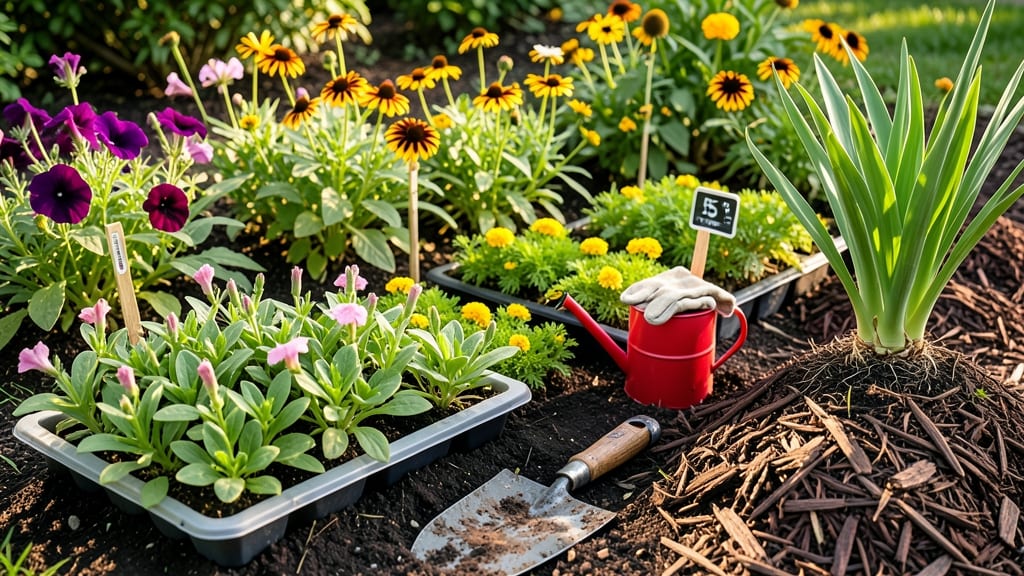
Knowing when is it safe to plant flowers in Ohio can make or break your garden dreams—one late frost can turn vibrant blooms into sad, frozen memories.
Ohio’s 6a climate zone means timing matters, especially when you’re staring at seed packets in early spring, wondering if the ground is finally warm enough.
Most gardeners wait until after the last frost date, typically between mid-April and early May, but Ohio’s unpredictable weather throws a wrench into the plan. What if a late freeze hits? Or if your soil is still too cold for tender seedlings?
I’ll break down the exact window for your county, plus how to adjust for Ohio’s quirks—like urban heat islands or rural chill.
Cool-season flowers like pansies can handle a light frost, while heat-lovers like marigolds need soil at 50°F or warmer. We’ll cover both, so you’re not left guessing whether to plant your 🌸 favorites early or wait for perfect conditions. Ready to turn your Ohio garden into a blooming success?
Beyond frost dates, I’ll share pro tips like using row covers or checking soil temperature—because even the best-laid plans need backup when Ohio’s spring decides to play hard to get. Let’s get those flowers in the ground the right way this year.
Ohio’s last frost dates by county: when to plant flowers safely in 2024
Ohio’s last frost dates vary dramatically by county, thanks to its diverse geography—from the Great Lakes’ moderating effect in the north to the warmer microclimates of southern Ohio.
For most gardeners, waiting until mid-April to early May is safest, but urban areas like Columbus often warm up 1-2 weeks earlier than rural zones. Always verify with your local cooperative extension office for precise data, as late frosts can strike even after the average date.
Northern Ohio counties, like Ashtabula or Erie, typically see their last frost around May 10-15, while southern counties such as Lawrence or Scioto may reach 50°F soil temps by April 1-15.
Microclimates—like valleys or city heat islands—can shift these dates by 10 days or more. For example, Cincinnati’s urban heat often allows planting 2 weeks earlier than nearby rural areas.
🌱
| Region | Avg. Last Frost Date | Safe Planting Window | Notes |
|---|---|---|---|
| Northern Ohio (e.g., Ashtabula, Erie) | May 10-15 | Mid-May | Cooler, longer winters; wait for 50°F soil. |
| Northeast Ohio (e.g., Cuyahoga, Lorain) | May 1-10 | Early May | Urban areas warm faster; check microclimates. |
| Central Ohio (e.g., Franklin, Delaware) | April 25-May 5 | Late April | Columbus averages 50°F soil by April 20. |
| Southeast Ohio (e.g., Athens, Lawrence) | April 10-20 | Early April (cool-season flowers) | Warmer valleys; black-eyed Susans thrive here. |
| Southwest Ohio (e.g., Hamilton, Butler) | April 15-25 | Mid-April | Cincinnati’s urban heat speeds up planting. |
Pro Tip: Use the Ohio Agricultural Research and Development Center (OARDC) frost maps or your local extension office for county-specific data. For example, Wayne County (near Wooster) often has a 2-week delay compared to nearby Medina County.
Even after the average last frost, warm-season flowers like marigolds or zinnias need soil temps above 55°F to thrive. A simple soil thermometer (available for $10 at garden centers) can save you from planting too soon.
For cool-season flowers like pansies or snapdragons, you can start seeds 4-6 weeks before your last frost date indoors or under row covers.
Ohio’s first frost typically arrives between October 10-20, but hard frosts (28°F or lower) can hit by mid-October in northern counties. Plan to transplant tender annuals by early September or choose perennials like coneflowers that rebound after frost.
Always monitor weekly forecasts in late spring, as late frosts can occur into May.
If you’re in Zone 6a (most of Ohio)**, aim to plant warm-season flowers like petunias or geraniums by May 15 in the north and April 30 in the south. For cool-season flowers, start pansies or calendulas indoors by March 1 or direct-sow in early April.
Always harden off seedlings for 7-10 days before transplanting to avoid shock.
🌿
For container gardening, you can plant 2-3 weeks later than in-ground flowers since pots warm up faster. However, potted flowers also dry out quicker, so use self-watering containers or mulch with straw to retain moisture.
If you’re unsure, test your soil with a moisture meter—ideal planting conditions are 50-60°F soil temps and damp but not soggy soil.
Remember: Ohio’s weather is unpredictable. Even if your neighbor plants in April, a late frost could wipe out their tomatoes or impatiens. Use frost cloths or row covers for an extra 2-4°F protection if early planting is tempting.
For perennials like daylilies or peonies, you can plant as early as March—they’re cold-hardy and won’t mind a light frost.
🌸
How to adjust planting dates for Ohio’s unpredictable spring weather
Ohio’s spring weather can be as unpredictable as a March snowstorm—one day warm, the next a surprise frost. To protect your flowers, I’ve learned to adjust planting dates based on soil temperature, microclimates, and Ohio’s infamous late frosts.
The key? Flexibility and a few smart tricks to extend your growing season.
Start by checking the 10-day rule: Plant warm-season flowers (like marigolds or zinnias) only after your county’s average last frost date plus 10 days. This buffer accounts for Ohio’s late cold snaps, especially in northern counties like Ashtabula or Trumbull, where frosts can linger into May.
For southern Ohio (e.g., Lawrenceburg or Chillicothe), you might plant 2 weeks earlier.
🌱Pro Tip: Use a soil thermometer—flowers like petunias and impatiens need soil temps of 55°F+ to thrive. If your soil is still chilly, opt for cold-hardy annuals like pansies or snapdragons, which can handle 32°F temps.
🔹 5 Ways to Extend Ohio’s Planting Window
- Row Covers: Use lightweight fabric to protect seedlings from late frosts (e.g., April 30 in Columbus). Remove during the day for warmth.
- Cold Frames: Create a mini greenhouse with a clear plastic lid over seedlings to trap heat. Ideal for hardy perennials like daylilies.
- Hardening Off: Acclimate seedlings to outdoor temps 7–10 days before planting by gradually exposing them to wind and sun.
- Succession Planting: Sow fast-growing flowers (e.g., bachelor’s buttons) every 2 weeks for continuous blooms.
- Microclimate Awareness: Urban areas (e.g., Cleveland) warm up faster than rural zones. Plant heat-loving flowers like lantana in sunny city spots first.
For perennials, timing matters less—just plant in spring when soil is workable (usually April in southern Ohio, May in the north). But annuals demand precision: Cool-season flowers (e.g., calendulas) can go in March, while tender annuals (e.g., geraniums) wait until after May 15.
🌡️Watch the Forecast: Sign up for NOAA’s Frost Advisory alerts or use apps like Old Farmer’s Almanac for hyper-local frost predictions. In 2023, Toledo saw a May frost—planting zinnias on May 1 would’ve been a disaster! Adjust dates based on 7-day trends, not just averages.
Finally, don’t overlook container gardening. Potted flowers warm up faster and can be moved to sheltered spots if frost threatens. This is my go-to trick for balcony gardens in Akron, where microclimates can vary by 5°F just blocks apart.