
Plants
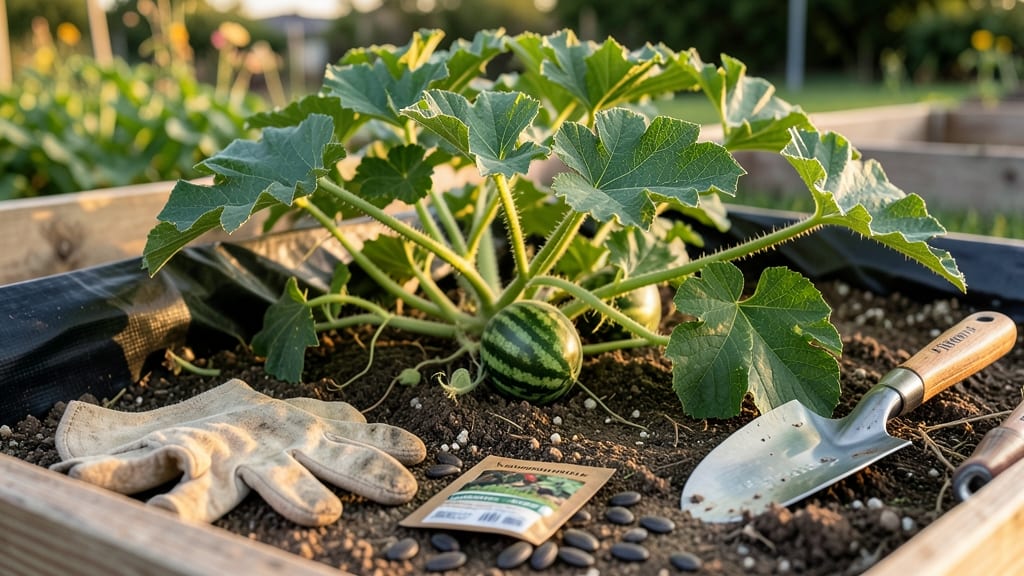
Planting watermelon seeds in California can feel like a high-stakes game—get the timing wrong, and you risk rotten seeds or vines that bolt before fruiting. But with the right soil temperature tricks, you can unlock fast germination and a thriving crop without the guesswork.
Since California’s microclimates vary wildly (from coastal chill to desert heat), knowing when to plant is the key to success.
Unlike frost-prone regions, California’s Zone 10 lets you plant year-round, but the real secret lies in soil warmth. Watermelons need soil temperatures between 70-90°F to germinate properly—too cool, and they’ll sit there forever; too hot, and they’ll bolt before bearing fruit.
I’ll show you exactly how to time it right for your specific area, whether you’re in the Central Valley or along the coast.
Ready to skip the trial-and-error? You’ll learn how to test soil temperature (without fancy tools), choose the best varieties for your microclimate, and use mulch to speed up germination. By the end, you’ll be planting with confidence—and reaping juicy, homegrown 🍉 in no time.
Let’s dive into the soil temperature hacks that’ll have your watermelon seeds sprouting in 5-7 days instead of weeks. No more wasted seeds or frustrated gardeners—just a foolproof plan for California’s perfect planting window.
Best soil temperature ranges for planting watermelon seeds in CA (with heat-Zone map)
California’s diverse climate means soil temperature is your most critical factor for watermelon success. Seeds need 70-90°F soil to germinate reliably—any cooler, and they’ll rot; too hot, and they may dry out before sprouting.
Coastal areas like San Francisco hit these temps in late April to May, while inland zones like Bakersfield can start as early as February.
Use a soil thermometer ($10 at garden centers) to check temps 2-3 inches deep. If you don’t have one, the hand test works: Press your palm into the soil—if it feels warm but not scorching, it’s likely in the 75-85°F sweet spot.
For DIY accuracy, bury a thermometer in your garden bed for 24 hours before planting.
Here’s how CA’s heat zones break down for watermelon planting:
| Zone | Ideal Planting Window | Soil Temp Range (°F) | Germination Time | Pro Tip |
|---|---|---|---|---|
| Coastal (SF, LA) | Late April–May | 70–80°F | 7–10 days | Use black plastic mulch to warm soil faster |
| Central Valley (Sacramento) | March–April | 75–85°F | 5–7 days | Soak seeds overnight for quicker sprouts |
| Desert (Palm Springs) | February–March | 80–90°F | 3–5 days | Shade seedlings from intense afternoon sun |
| Northern CA (Redding) | May–June | 70–80°F | 8–12 days | Extend season with row covers |
If your soil is below 70°F, delay planting or use black plastic mulch to raise temps by 5–10°F. For above 90°F soils, plant in shaded areas or use drip irrigation to keep seeds moist without overheating.
Pro growers in Southern CA often plant two batches: one in February (for early harvests) and another in June (for fall fruit). This staggered approach extends your harvest window by 4–6 weeks.
For container growing, use 5-gallon pots with heat-retaining fabric (like burlap) wrapped around the sides. This mimics the soil-warming effect of mulch and helps seeds germinate 2–3 days faster.
Watch for cucumber beetles when soil temps hit 75°F—they love watermelon seedlings. Apply neem oil or row covers to protect young plants until they’re 4–6 inches tall.
🌱
How to time your planting for fast germination without bolt risk (CA-specific tips)
Timing your watermelon seeds in California isn’t just about avoiding frost—it’s about balancing soil warmth and daylight length to prevent premature bolting. Since California’s frost-free zones (like Zone 10) let you plant year-round, the real challenge is heat unit management—especially for early-season starts.
I’ve planted watermelons in Southern CA’s desert and Central Valley’s hot summers, and here’s what I’ve learned to avoid wasted seeds or bitter fruit.
Start by calculating your last frost date (even in frost-free zones, cool snaps can delay germination). For most of California, this falls between March 15 and April 15, but coastal areas like San Francisco can wait until May 1.
Use the USDA Plant Hardiness Zone Map to adjust: Zone 9 gardeners should aim for April 1, while Zone 10 can start as early as February 15 with black plastic mulch.
🌱 Pro Tip: Watermelon seeds need soil temps of 70-90°F to germinate. If your soil is cooler, use black plastic mulch or a seed heating mat to warm it up. I’ve seen germination times drop from 10 days to just 3-5 days with these tricks!
- Southern CA (Desert): Feb 15 - Mar 15 (soil warms fast)
- Central Valley: Mar 1 - Apr 15 (moderate heat)
- Coastal CA: Apr 15 - May 1 (cooler soils)
- Use a soil thermometer at 4 inches deep
- DIY test: Press your hand into soil—if it feels warm like bathwater, it’s ready!
- Soak seeds in warm water for 24 hours before planting
- Boosts germination rate by up to 50%
- Plant late varieties (like 'Charleston Gray') in May to extend season
- Use shade cloth for early seedlings if daylight exceeds 14 hours
Watermelons are short-day plants, meaning they bolt (flower prematurely) when days get too long. In California, this happens fastest in June and July. To delay bolting, choose early-maturing varieties (like 'Sugar Baby') for spring planting or shade young plants with 30% shade cloth if you’re starting late.
I once lost a batch of 'Crimson Sweet' because I ignored this—now I always check the daylight hours before planting!
Once your seeds sprout, focus on consistent moisture and mulching to keep roots cool. Watermelons need 1-2 inches of water per week, but avoid overhead watering to prevent powdery mildew. I use drip irrigation and apply straw mulch to retain moisture and suppress weeds.
This keeps the soil warm enough for roots but cool enough for vines—the perfect balance for sweet, juicy fruit!
Finally, monitor your plants for cucumber beetles and powdery mildew, two common CA pests. If you see yellowing leaves or white powder, act fast with neem oil or row covers.
With the right timing and care, you’ll go from seed to harvest-ready watermelon in just 70-90 days—no more guessing games! 🍉