
Plants
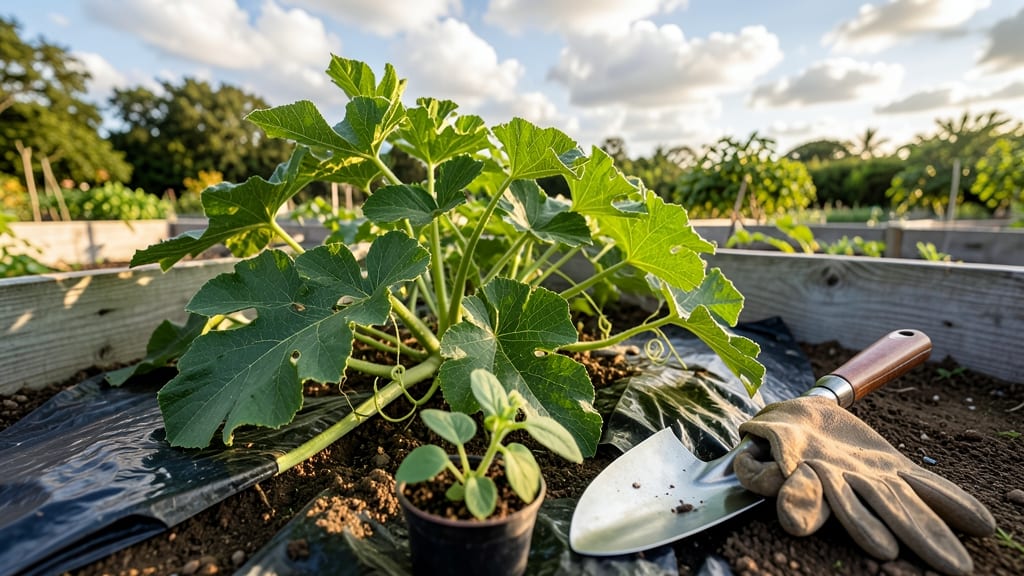
Timing your 🍉 watermelon planting in Florida isn’t just about following a calendar—it’s about outsmarting the heat, humidity, and hurricane season to guarantee those juicy, vine-ripened fruits.
Unlike northern gardeners, you don’t have to worry about frost, but getting the schedule wrong can mean smaller harvests or even failed crops when summer storms roll in.
Most Florida gardeners know the two ideal windows: early spring (February to April) for summer harvests and late summer (July to August) for fall yields. But here’s the catch—your exact timing depends on whether you’re in the Panhandle’s cooler microclimate or Miami’s relentless humidity.
We’ll break down the county-specific dates that separate success from disappointment, so you can plant with confidence.
Why does this matter? Because watermelons in Florida don’t just need warm soil—they need consistent warmth without bolting from the heat. That’s where tactics like black plastic mulch, raised beds, and staggered plantings come into play.
Let’s dive into the strategies that turn Florida’s long growing season into your watermelon goldmine.
From avoiding squash vine borers to adjusting for hurricane timing, you’ll learn how to align your planting with Florida’s quirks. Ready to grow watermelons that rival the ones at the farmers’ market? Let’s get started.
Florida county-specific watermelon planting dates by frost Zone
Florida’s frost-free zones (9a-11) eliminate winter frost risks, but heat and humidity still dictate planting windows. Unlike northern states, watermelons thrive year-round with proper timing—spring and fall are ideal for most regions.
Let’s break down the perfect planting windows by Florida’s three key zones: North (Panhandle), Central (Orlando/Tampa), and South (Miami/Fort Lauderdale).
In North Florida (Zones 8a-9a), like Jacksonville or Tallahassee, watermelons face cooler springs and occasional light frosts. Wait until mid-March to April 15 for direct sowing or late February for transplants in raised beds with black plastic mulch.
For fall harvests, plant seeds late July to early August to avoid hurricane season disruptions.
Central Florida (Zones 9a-10a), including Orlando and Tampa, enjoys warmer soil earlier. Start seeds mid-February to March 15 for spring melons or late July for fall. Use soil thermometers—plant only when soil hits 70°F+. Dwarf varieties like 'Sugar Baby' work well in small spaces or containers.
South Florida (Zones 10b-11), from Miami to Fort Lauderdale, can plant year-round, but summer heat stresses plants. Opt for early spring (Jan-Feb) or fall (Sept-Oct) to avoid bolting. Shade cloth (30-50%) helps during peak summer (June-August).
🌱
For transplants, start seeds indoors 4-6 weeks before your region’s last frost (or late January for North Florida). Harden off seedlings by acclimating to outdoor temps for 1-2 weeks before transplanting. In South Florida, skip transplants—direct sowing works best due to consistent warmth.
Watch for hurricane season (June-November) in Central/South Florida. If storms threaten, harvest melons early or use row covers to protect young plants. Mulch heavily with straw to retain moisture and regulate soil temperature during Florida’s sweltering summers.
In North Florida, raised beds with black plastic mulch add 10°F warmth to soil, extending the growing season. For fall plantings, aim to harvest before first frost (rare but possible in Zone 8a). Use cold-hardy varieties like 'Crimson Sweet' if planting early.
Always test soil pH (6.0-6.8) before planting. Florida’s sandy soils drain fast—amend with compost and aged manure to improve water retention. Drip irrigation is ideal to avoid fungal diseases from overhead watering.
🌿
Florida county-specific watermelon planting dates by frost Zone
Florida’s frost-free zones (9a-11) mean no frost risk for most watermelon growers—but timing still matters. North Florida’s cooler winters (Panhandle) allow earlier spring plantings, while South Florida’s heat (Miami) demands late-summer starts for fall harvests. Let’s break down the best windows for your county.
For North Florida (Zones 8a-9a), like Jacksonville or Tallahassee, aim for mid-February to mid-April for spring crops. Central Florida (Zones 9a-10a), including Orlando and Tampa, can start late January to early April.
Meanwhile, South Florida (Zones 10a-11), such as Miami or Fort Lauderdale, should plant late July to early August for fall harvests.
🌱 Key Tip: Always wait until soil reaches 70°F—use a soil thermometer! Black plastic mulch warms soil faster in cooler regions like North Florida, while shade cloth protects tender seedlings in South Florida’s summer heat.
In North Florida, ‘Crimson Sweet’ thrives with spring plantings, while South Florida gardeners swear by ‘Sugar Baby’ for fall harvests. Central Florida’s extended season lets you try both! For hurricane-prone areas, prioritize fall plantings—they mature before storm season peaks.
Pro tip: Stagger plantings every 2 weeks in Central/South Florida to spread out harvests. Direct-sow seeds (don’t transplant!) for stronger vines. 🌱