
Vegetables
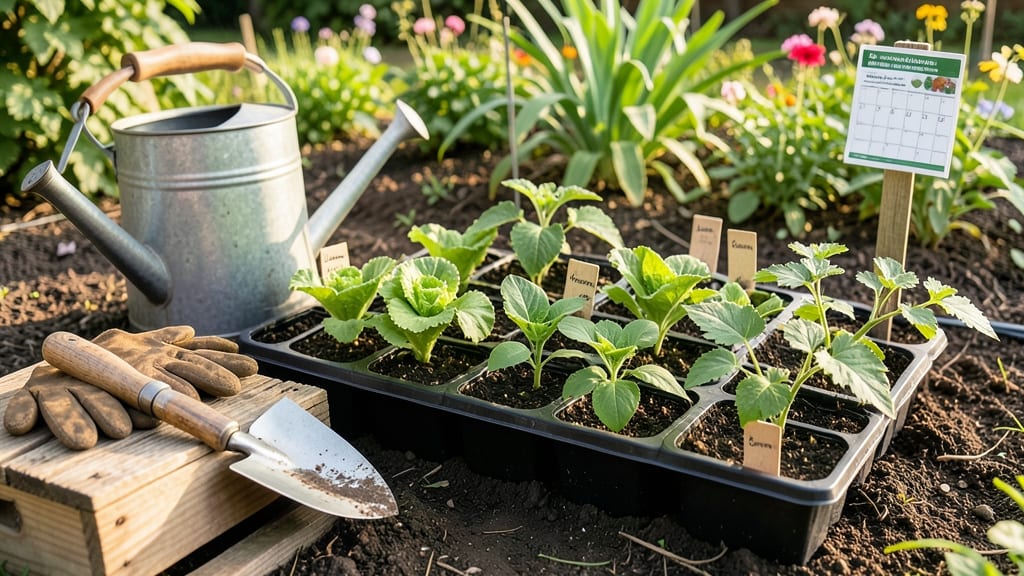
Timing your vegetable planting in Oklahoma isn’t just about following a calendar—it’s about working with the state’s unpredictable climate, where last frost dates can vary by weeks between Oklahoma City and rural areas.
Whether you’re growing heat-loving tomatoes or frost-hardy spinach, planting too early or too late can mean the difference between a thriving garden and wasted seeds.
With USDA Zones ranging from 6b to 8a, gardeners face unique challenges: sandy soils in western Oklahoma, urban heat islands in Tulsa, and clay-heavy regions near the Arkansas border. The key to success? Understanding your specific zone’s frost dates and adjusting planting windows for both cool-season and warm-season crops.
I’ve spent years testing what works in Oklahoma gardens, and the secrets lie in knowing when to start seeds indoors, when to transplant seedlings, and how to extend your growing season with row covers.
Let’s break down the exact planting deadlines for your zone—and how to avoid common mistakes that even experienced gardeners make.
From early spring peas to late-summer okra, you’ll discover the ideal planting schedule for Oklahoma’s top vegetables, plus soil prep tips and microclimate adjustments to maximize your harvest. Ready to grow like a pro? Let’s get started.
Oklahoma planting calendar by USDA Zone: exact dates for cool-season vs. warm-season vegetables
Oklahoma’s USDA Zones 6b-8a create a unique challenge for gardeners—balancing early springs with scorching summers. The key to success lies in knowing your last frost dates, which vary by region.
In Oklahoma City (Zone 7a), the average last frost is March 15-30, while Tulsa (Zone 7b) sees it slightly earlier (March 1-15). Rural areas in Zone 8a (like Lawton) can plant 2-3 weeks earlier.
For cool-season crops like spinach, broccoli, and peas, start seeds indoors 6-8 weeks before your last frost date. These frost-tolerant vegetables can handle light freezes, but they’ll bolt in temperatures above 80°F.
Warm-season plants like tomatoes, peppers, and squash, however, need soil temperatures above 60°F—wait until April 15-May 1 in most zones to avoid stunted growth.
Fall planting is equally critical. First frost dates range from October 15 (Zone 6b) to November 15 (Zone 8a). This means you can extend your harvest by planting kale, carrots, and lettuce in early September for a winter harvest.
Succession planting every 2-3 weeks ensures a continuous supply of fresh produce.
Here’s a quick reference for Oklahoma’s planting windows based on USDA Zones:
| USDA Zone | Cool-Season Planting | Warm-Season Planting | Fall Planting Window |
|---|---|---|---|
| 6b (Northern OK) | March 15-April 15 | May 1-June 1 | August 1-October 15 |
| 7a (OKC, Stillwater) | March 1-April 1 | April 15-May 15 | August 15-October 30 |
| 7b (Tulsa, Muskogee) | February 28-April 1 | April 1-May 1 | September 1-November 1 |
| 8a (Southwest OK) | February 15-March 15 | March 15-April 1 | September 15-November 15 |
Pro tip: Use a soil thermometer to confirm warm-season planting readiness. Melons and squash need soil temps above 70°F, while tomatoes thrive at 60°F+. If your soil is still chilly, opt for container gardening or use black plastic mulch to warm the ground faster.
Don’t overlook succession planting for warm-season crops. After harvesting early bush beans or zucchini, replant with fast-maturing varieties like ‘Early Girl’ tomatoes or ‘Contender’ cucumbers. This keeps your garden productive from May through October.
For Zone 6b gardeners, consider using row covers or cold frames to extend the season. These tools can push your last frost date back by 2-3 weeks, giving you more time to grow broccoli, cabbage, and lettuce before winter sets in.
Always check local frost data from sources like the Oklahoma Mesonet or National Weather Service for real-time updates. A late frost in April can wipe out tender seedlings, so stay vigilant. If frost is forecasted, cover plants with frost blankets or old bedsheets.
Finally, keep a gardening journal to track your planting dates and outcomes. Over time, you’ll notice patterns—like how Zone 7a’s microclimates might allow earlier planting in south-facing beds compared to shady spots. Adjust your schedule each year based on your observations.
With these zone-specific deadlines, you’ll avoid the common mistakes of planting too early (risking frost damage) or too late (missing peak harvest windows). Soon, your Oklahoma garden will be a year-round productivity powerhouse! 🌱
How to adjust planting times for Oklahoma’s microclimates and soil conditions
Oklahoma’s diverse landscapes—from urban heat islands in Oklahoma City to clay-heavy soils in rural areas—mean one-size-fits-all planting advice won’t work. Microclimates can shift planting windows by 2-4 weeks, while soil type affects warmth and drainage.
For example, sandy soils warm up faster in spring, allowing earlier plantings, while clay soils stay cold longer, delaying warm-season crops like tomatoes.
Urban gardens often face higher heat stress due to pavement and buildings. If your yard is in a Zone 7a microclimate but feels like Zone 8, start heat-loving crops like okra or sweet potatoes 2 weeks earlier.
Conversely, shaded spots may need row covers to extend the growing season for cool-season crops like lettuce.
Soil preparation is equally critical. Amend clay soils with compost to improve drainage, while sandy soils benefit from organic matter to retain moisture. Test your soil’s pH—most vegetables thrive in 6.0-7.0 range.
Adjust with lime (to raise pH) or sulfur (to lower it) at least 4-6 weeks before planting.
⚠️ Common Planting Mistakes in Oklahoma
Planting warm-season crops too early: Seedlings like peppers or eggplants will bolt if soil temps drop below 60°F. Wait until soil reaches 70°F+ (use a soil thermometer).
Ignoring frost pockets: Low-lying areas in your yard may frost 2 weeks later than higher spots. Monitor local frost data and adjust planting dates accordingly.
Overlooking mulch: Without mulch, soil temperature swings can stress plants. Apply 2-3 inches of straw after planting to stabilize temps and retain moisture.
Raised beds offer a game-changer for Oklahoma gardeners. They warm up 2-3 weeks earlier in spring and stay warmer longer in fall, extending your growing season. Fill them with a mix of topsoil, compost, and perlite for ideal drainage.
For cool-season crops, use black plastic mulch to absorb heat and speed up germination.
Extend your harvests with season-extending tools. Cold frames can protect greens like spinach until November, while row covers shield crops from late frosts in spring. In Zone 8a areas, you might even grow winter squash year-round with proper protection.
For succession planting, plan for Oklahoma’s 90-120 day growing season. Start fast-maturing crops like bush beans every 2 weeks from May through July. Save slower growers like cabbage for early spring or late summer plantings to avoid bolting.