
Flowers
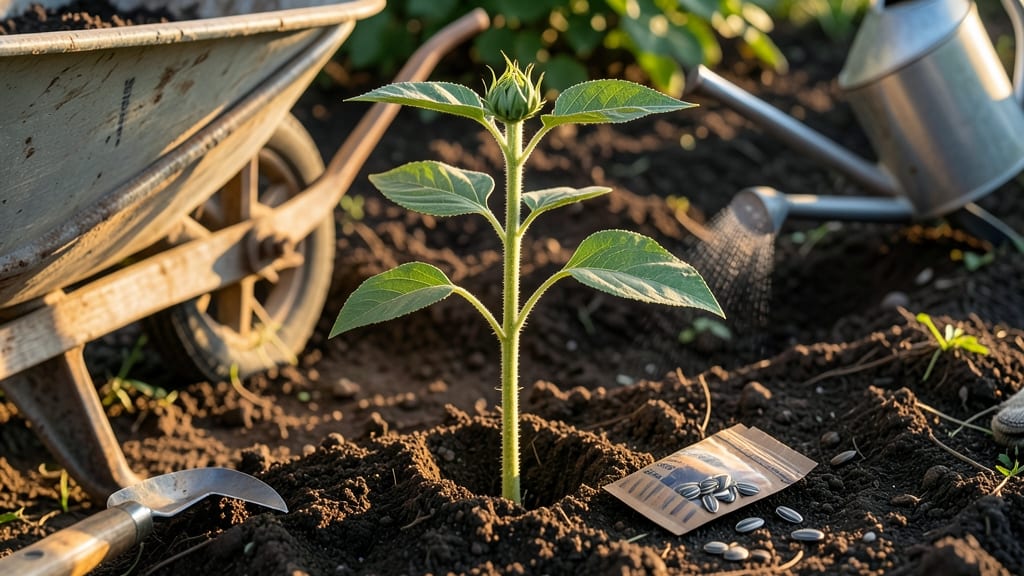
Planting your 🌻 sunflowers in Tennessee at the wrong time can mean the difference between towering, golden blooms and sad, stunted plants. With the state's varied climate—from the cooler Appalachian mountains to the hotter plains—getting the timing right is the key to success.
Most Tennessee gardeners wait until after the last frost, typically mid-April to mid-June, when soil temperatures hit that sweet spot of 55°F. But here's the catch: your exact timing depends on whether you're in East Tennessee's 6a zone, Middle Tennessee's 6b-7a, or the warmer West.
I'll break down the best planting windows for each region so you can avoid those late frost surprises.
You might be wondering whether to start seeds indoors or plant directly in the garden. For sunflowers, direct sowing is usually the way to go—especially since they don't transplant well.
But I'll share my top tips for preparing your soil, spacing those seeds just right, and giving your sunflowers the best shot at reaching their full height and brilliance.
Once you get the timing down, you'll be rewarded with bold blooms that attract pollinators and add a cheerful pop of color to your garden. Let's dive into the exact steps to make your sunflower season a success—no guesswork required.
Best sunflower planting months in Tennessee by region (east vs West vs middle)
Tennessee’s diverse landscapes—from the Appalachian Mountains in the east to the Mississippi River plains in the west—create distinct planting zones for sunflowers. Last frost dates vary by USDA zones 6b-7a, so timing matters.
East Tennessee’s cooler highlands (Zone 6b) need earlier starts, while West Tennessee’s warmer lowlands (Zone 7a) can wait longer.
For direct sowing, aim for mid-April to mid-May after soil warms to 55°F+. Transplants can go in 2-3 weeks earlier if started indoors. Late May to early June works for second plantings, especially for short-day varieties like 'Autumn Beauty' that bloom later.
🌱
In East Tennessee, mountainous areas like Gatlinburg or Bristol experience later frosts, so prioritize hardy varieties like 'Teddy Bear' (dwarf) or 'Russian Giant'. These thrive even with shorter growing seasons (120-140 days to maturity).
For Middle Tennessee (Nashville, Chattanooga), the 150-day growing season allows flexibility. Plant 'Moulin Rouge' (cut flowers) in early May for July-August blooms, or try successive plantings every 2 weeks for continuous color through October.
West Tennessee’s longer frost-free season (Zone 7a) lets you push limits. Try late-season varieties like 'Autumn Beauty' in early June for September-October blooms. These regions also handle heat stress better due to higher summer temps.
🌿
Pro tip: Check your local cooperative extension office for hyper-local frost data. For example, Memphis (West TN) averages 10 days earlier last frost than Knoxville (East TN). Adjust your schedule accordingly—even 1 week too early can mean frost-damaged seedlings.
Always test soil temperature with a soil thermometer before planting. Sunflowers won’t germinate below 50°F, and growth stalls below 55°F. If your soil is cold, use black plastic mulch to warm it 5-10°F faster.
☀️
How to adjust sunflower planting for Tennessee’s microclimates and late frost risks
Tennessee’s unpredictable spring weather can turn your sunflower dreams into frost-burned disappointments if you’re not prepared. Late frosts—common in April and May—often catch gardeners off guard, especially in East Tennessee’s higher elevations where temperatures can drop 10°F faster than the plains.
The key to success? Strategic adjustments tailored to your microclimate and variety.
For West Tennessee’s warmer zones (USDA 7b), where last frosts typically occur by mid-April, you can start planting directly in the soil as early as late March.
But in East Tennessee’s cooler mountains (USDA 6a), wait until after Mother’s Day—or risk losing tender seedlings to 28°F nighttime dips. Even Middle Tennessee’s valleys (USDA 6b-7a) see late frost pockets, so flexibility is your best tool.
Tennessee’s April frost risk isn’t just about temperature—it’s about soil warmth. Seeds planted in 50°F soil may rot even if air temps rise. Always check soil temperature (use a thermometer) before planting. If it’s below 55°F, delay or use row covers for protection.
One of the easiest ways to beat late frosts is through staggered planting. Sow a small batch every 2 weeks from mid-April to early June. This ensures continuous blooms—some plants will mature before frost arrives, while others will follow.
For extra insurance, choose heat-tolerant varieties like ‘Autumn Beauty’ or ‘ProCut,’ which thrive in Tennessee’s 90°F+ summers without bolting prematurely.
If you’re starting seeds indoors (4-6 weeks before last frost), use grow lights to simulate long daylight hours—sunflowers need 12+ hours of light daily to prevent leggy seedlings.
Harden off transplants gradually over 7-10 days, exposing them to outdoor conditions for increasing durations. This acclimates roots to Tennessee’s humidity swings and reduces transplant shock.
For direct-sown seeds, use black plastic mulch or straw bales to warm soil faster. These methods can raise soil temps by 5-10°F, giving seedlings a head start.
Pair this with drip irrigation to maintain even moisture—sunflowers hate dry spells during germination. In high-elevation areas, consider low tunnels or cloches for early plantings.
Remember, Tennessee’s microclimates can vary even within a county. A south-facing slope warms up faster than a north-facing valley, so observe your specific garden’s frost patterns for 2-3 years.
With these adjustments, your sunflowers will reach their towering potential—turning your garden into a golden pollinator paradise from summer to fall. 🌻