
Plants
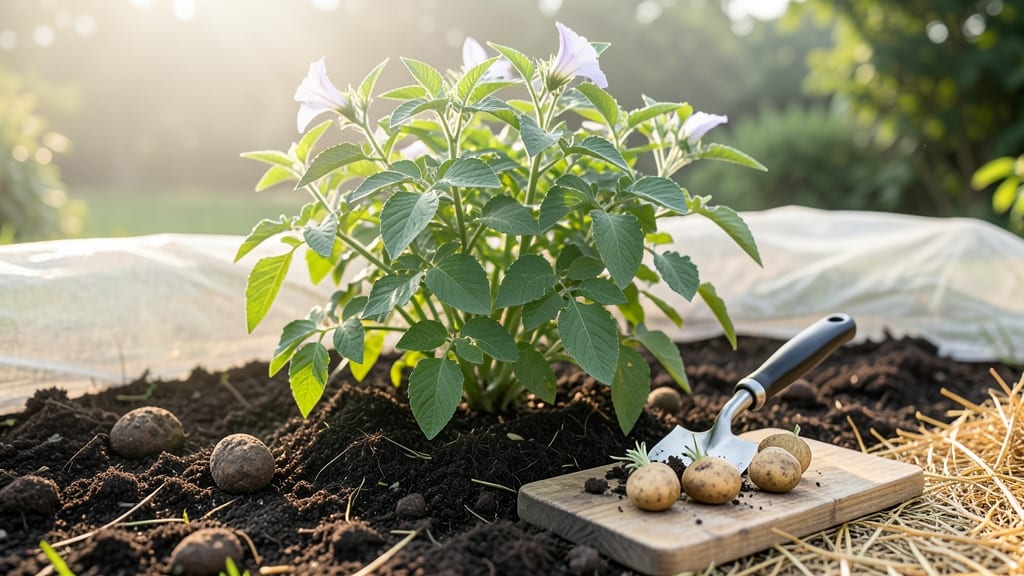
Planting potatoes in Oklahoma at the wrong time can turn your 🥔 dreams into a frost-killed flop—especially when unpredictable late frosts sneak in.
The key to a bountiful harvest lies in knowing exactly when to get those spuds in the ground, whether you're in the cooler northern counties or the warmer southern regions.
Most Oklahoma gardeners aim to plant between March and April, but the perfect window shifts depending on your USDA zone—typically 6b-7a. Waiting too long risks stunted growth, while planting too early means cold soil and slow sprouting.
I'll break down the ideal county-specific dates so you can avoid common mistakes and maximize your yield.
What if you want to push your season earlier or later? We'll cover smart strategies like using row covers or black plastic mulch to extend your planting range. Whether you're growing early varieties like Yukon Golds or late-season Kennebecs, timing is everything for Oklahoma's variable climate.
Let's dive into the exact planting schedule that'll have your potatoes thriving from soil to supper—no guesswork required. Your future harvest depends on getting this right, and I've got the data-backed answers you need.
Oklahoma potato planting dates by county: avoid frost zones with precision timing
Planting potatoes in Oklahoma requires precision timing to dodge unpredictable late frosts that can devastate your crop. The state spans USDA Hardiness Zones 6b-7a, with last frost dates varying by 2-4 weeks across regions.
In northern counties like Blaine or Cimarron, you’ll need to plant 4-6 weeks earlier than in southern areas like Love or McCurtain. I’ve broken down the optimal planting windows by county to help you avoid frost damage and maximize yield.
Your first step is checking your local last frost date. Most Oklahoma counties experience their final frost between March 15 and April 15, but microclimates (like low-lying areas or urban heat islands) can shift this by 7-10 days.
For example, Oklahoma City’s average last frost is April 5, while Tulsa’s is April 10. Planting too early risks frost-killed sprouts, while waiting too long reduces your harvest window. Aim to plant 2-4 weeks after your last frost date, once soil temperatures hit 45°F consistently.
Here’s a county-by-county breakdown of ideal planting windows, based on 30-year frost averages and soil warming trends. Use this as your starting point, then adjust based on your microclimate or soil preparation progress.
For early varieties like Yukon Gold or Red LaSoda, you can plant as early as February 15 in southern Oklahoma if you use black plastic mulch or row covers to warm the soil. These varieties mature in 60-75 days, giving you a harvest before summer heat peaks.
In contrast, late varieties like Russet Burbank need 90 days and should be planted no later than May 1 in northern counties.
Pro tip: Use a soil thermometer to confirm readiness. Potatoes won’t sprout until soil hits 45°F, and waiting for 50°F ensures faster germination. If your soil is slow to warm (common in clay-heavy areas), consider raised beds or compost incorporation to speed up the process.
I’ve seen 2-3 week differences in planting readiness just by amending soil with well-rotted manure.
Don’t overlook microclimates in your area. South-facing slopes warm 1-2 weeks earlier than north-facing areas, while urban gardens near buildings can be 5-10°F warmer at night. If you’re unsure, plant a test row 2 weeks early and monitor for frost damage.
Cover it with frost cloth if nights dip below 32°F after planting.
For second-crop potatoes, plant late varieties in mid-June after your first harvest. This works best in southern Oklahoma where summers are hotter. Use drought-tolerant varieties like Kennebec and focus on consistent watering to prevent scab disease in dry heat.
Remember: Potatoes need 6-8 hours of sun daily, so choose a well-drained, sunny spot
How to extend your Oklahoma potato season: cold protection hacks for early/late planting
Oklahoma’s unpredictable spring frost can derail even the most eager gardener’s potato plans. But with the right cold protection strategies, you can safely plant 2-4 weeks earlier or delay harvests into fall—extending your growing season without risking frost damage.
The key is combining soil warming, insulation layers, and microclimate control.
For early plantings, focus on soil temperature thresholds (aim for 45°F+ at 4 inches deep) and use black plastic mulch to absorb sunlight. In northern counties like Oklahoma City or Tulsa, this can push your planting window from late March to early February—if you’re brave enough!
Late plantings benefit from frost cloths or row covers, which add 5-10°F protection.
⚠️ PRO TIP: Always monitor 7-day forecasts and have emergency covers ready. A late frost in May can still hit tender potato shoots, so flexibility is key.
Cold Protection Methods for Oklahoma Potatoes
Black Plastic Mulch
✅ Warms soil 5-10°F faster than bare ground
✅ Suppresses weeds and retains moisture
❌ Requires removal before harvest
💰 Cost: $10-20/roll
Frost Cloth
✅ Adds 4-8°F protection against frost
✅ Reusable for multiple seasons
❌ Reduces airflow if left too long
💰 Cost: $20-40/cover
Row Covers
✅ Extends season 2-4 weeks in both directions
✅ Allows sunlight and rain penetration
❌ Can trap heat if temps exceed 85°F
💰 Cost: $15-30/100 sq ft
For late-season extensions, prioritize slow-maturing varieties like Kennebec or Yukon Gold, which tolerate cooler soils. Pair them with straw mulch to insulate tubers during harvest. In southwestern Oklahoma (e.g., Lawton or Amarillo), you might even squeeze in a second planting in August for a fall harvest!
Test your soil’s drainage and warmth before committing. Stick a thermometer in the ground—if it’s below 50°F, wait or use compost blankets to accelerate warming. Patience here prevents blight risks from damp, cold soil.
My go-to hack? Combine black plastic mulch with a low tunnel for early plantings. The mulch warms the soil, while the tunnel adds an extra 10°F buffer on chilly nights. Just remove the tunnel once tuber formation begins to avoid overheating.