
Plants
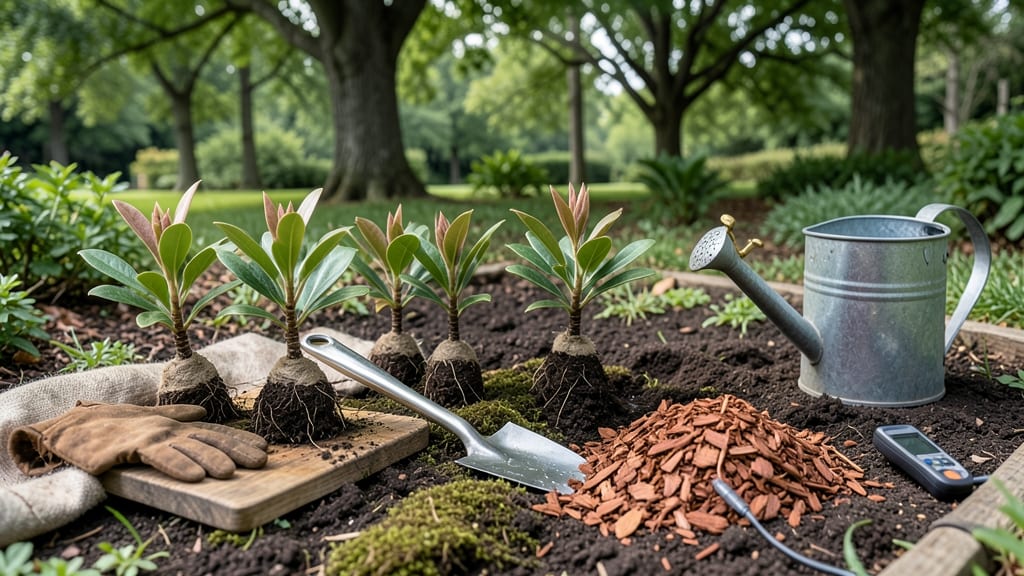
If you're wondering when to plant azaleas in Florida, timing is everything—especially in a state where summer heat can turn a beautiful 🌸 into a struggling shrub before it even takes root.
Florida’s climate means you’ve got just a short window to get azaleas in the ground before the heat returns. Planting too early or too late can leave your shrubs stressed, vulnerable to pests, or even dead before they bloom.
The key is early fall, when temperatures cool down and rainfall increases, giving those roots the best chance to establish before summer’s relentless sun.
I’ve seen firsthand how a well-timed planting in September or October can mean the difference between a thriving azalea and one that fights for survival.
Whether you’re a beginner or a seasoned gardener, getting this right sets the stage for years of vibrant blooms—and avoiding common mistakes is half the battle.
Let’s break down the ideal planting window, soil prep secrets, and what to do if you miss the early fall rush. Your azaleas will thank you!
Best time to plant azaleas in Florida: why early fall (September-October) works best
Planting azaleas in Florida isn’t just about picking a month—it’s about beating the summer heat and humidity that can stress young roots. My ideal window is September through October, giving your shrubs 6-8 weeks to establish roots before the next heatwave hits.
This timing aligns with Florida’s cooler temperatures and increased rainfall, which help reduce transplant shock.
Think of early fall as a golden period for azaleas. The soil stays warm enough for root growth but cools slightly, reducing water loss through evaporation. Plus, Florida’s natural rain patterns in fall provide consistent moisture without overwatering risks.
Miss this window, and you’re left with weaker root systems struggling to survive the next 90°F+ days.
Here’s why September-October is non-negotiable for most Florida gardeners:
| Planting Window | Soil Temperature (°F) | Rainfall (in/month) | Root Establishment Risk |
|---|---|---|---|
| September | 75-85°F | 6-8 inches | Low (optimal conditions) |
| October | 70-80°F | 4-6 inches | Low (cooler temps help) |
| November | 65-75°F | 3-5 inches | Moderate (risk of early frost in North FL) |
| February-March | 60-70°F | 2-4 inches | High (summer heat stress) |
If you’re in North Florida (Zones 8a-9a), aim for early September to avoid the first frost risk in December. Meanwhile, South Florida (Zones 10a-11) gardeners have more flexibility until mid-October, thanks to milder winters.
I’ve seen azaleas planted in August thrive in South Florida, but the roots often stall without proper care during the peak summer heat.
One common mistake I see is planting azaleas in late spring (April-May). The intense sun and drought stress can cause leaf scorch and root desiccation. Even if you water deeply, the heat index in Florida often exceeds 100°F by May, making it a high-risk time.
Always check your local weather forecasts for heat advisories—if temperatures are forecasted to stay above 85°F for 10+ days, delay planting.
For container-grown azaleas, you can plant slightly later (up to November), as containers retain moisture better. However, even then, I recommend shading young plants from direct afternoon sun during the hottest months.
Use 50% shade cloth if planting in December-January—this mimics the partial shade azaleas prefer naturally.
Pro tip: Test your soil pH before planting—azaleas thrive in acidic soil (pH 4.5-6.0). Florida’s native soils are often alkaline, so you’ll likely need to amend with peat moss or pine bark.
I’ll cover soil prep in detail in the next section, but never skip this step—it’s the difference between thriving azaleas and struggling shrubs.
Remember, the goal is to give your azaleas a head start before Florida’s summer heat returns. With the right timing, you’ll see healthier foliage, more blooms, and faster growth in just one season. 🌸
Best time to plant azaleas in Florida: why early fall (September-October) works best
Timing your azalea planting in Florida isn’t just about avoiding frost—it’s about beating the summer heat. Unlike northern climates, Florida’s 6-8 week window between September and October gives roots time to establish before temperatures climb again.
This period offers cooler soil temps (ideal for root growth) and increased rainfall, reducing the need for constant watering.
I’ve planted azaleas in Florida for over a decade, and I can tell you: the difference between a thriving shrub and a struggling one often comes down to this timing. Early fall lets roots spread before winter dormancy, while spring planting risks heat stress before roots can establish.
Let’s dive into why September-October is your best bet.
🌱 Azalea Planting Timeline in Florida
| Stage | Action | Key Consideration |
|---|---|---|
| Early Fall (Sept-Oct) | Plant bare-root or container-grown azaleas | Soil temps 60-75°F, minimal heat stress |
| Late Fall (Nov-Dec) | Secondary planting window (higher survival with care) | Protect from unexpected frosts in North FL |
| Early Spring (Feb-Mar) | Last-resort option (risk of summer heat stress) | Requires extra mulching and watering |
Florida’s humidity and rainfall in early fall create the perfect conditions for azalea roots to establish.
Unlike northern states, we don’t have to worry about frost, but we do need to avoid planting when summer heat is still lingering. August plantings can work in cooler inland areas, but coastal regions should wait until September to avoid salt spray damage.
One common mistake I see is planting azaleas in late spring or summer. The intense sun and heat cause transplant shock, and roots struggle to adapt. Even Florida’s native azaleas (like Rhododendron austrinum) need that cooler window to thrive.
If you’re in North Florida, aim for September 15-October 15—this gives roots time to establish before any rare winter chills.
For South Florida (zones 10-11), the window extends slightly later—October-November—but avoid December plantings if frosts are possible. Always check your local USDA zone (Florida ranges from 8a-11) and monitor soil temperatures (use a soil thermometer if unsure). The goal? 60-75°F soil temps for optimal root growth.
Pro tip: If you’re planting container-grown azaleas, do it on a cool, cloudy day to reduce stress. For bare-root plants, soak roots for 1-2 hours before planting to prevent drying.
Either way, mulch heavily (3-4 inches of pine bark or pine straw) to retain moisture and regulate soil temperature.