
Plants
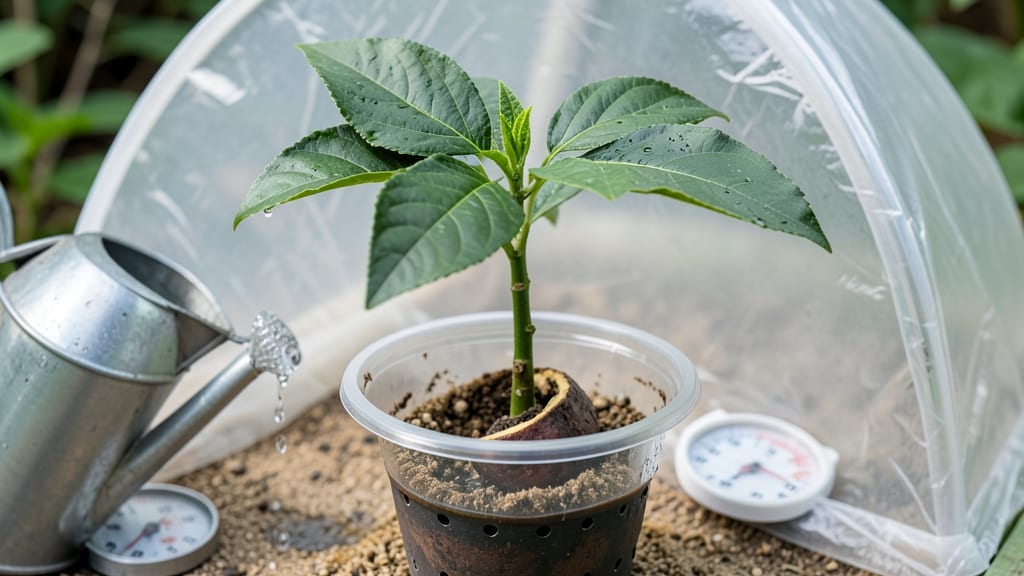
Planting an avocado seed 🥑 in soil at the right time can turn your kitchen experiment into a thriving young tree—but many beginners get this critical step wrong.
The key isn't just about sticking it in dirt; it's about understanding when your seed is truly ready to root and grow, whether you're nurturing it indoors year-round or waiting for that perfect outdoor spring window.
If you've ever watched roots sprout from your seed only to wonder, "Now what?"—this is your moment to learn the best timing for planting.
We'll break down exactly when to transition from water to soil, how climate zones like 6a affect your schedule, and why spring (after last frost) is ideal for outdoor planting, even if your seed started indoors months earlier.
Ready to avoid the common pitfalls that stall germination? You'll discover how soil temperature, moisture levels, and even your seed's readiness (like those 2-4 inch roots) all play a role in success. Let's get your avocado seed off to the best possible start.
From pre-sprouting tips to transplanting tricks, I'll walk you through every step so your seedling doesn't just survive—but thrives. Whether you're a first-time grower or looking to refine your method, this is how you set yourself up for the best chance of watching your avocado tree grow strong.
Best time to plant avocado seeds in soil for optimal germination
Timing is everything when growing an avocado tree from seed. Unlike mature avocado trees that thrive in USDA Zones 9-11, your seedling starts life indoors where you control the environment.
The best time to plant your avocado seed in soil is immediately after germination begins, typically 2-4 weeks after soaking your seed.
Most gardeners start their avocado seed journey in winter or early spring (January-March) because this gives seedlings a head start before outdoor planting season. However, avocado seeds can technically germinate year-round indoors since they don't require cold stratification like some other seeds.
Outdoor planting only occurs after your seedling reaches 12-18 inches tall and after your last frost date (typically late spring in most regions). For Zone 6a (like much of the Midwest), this means waiting until after April 15 when nighttime temperatures consistently stay above 50°F (10°C).
Here's the key difference: Indoor germination happens anytime, but outdoor transplanting must wait for warm soil and air temperatures. The seedling stage is the most delicate phase where timing directly impacts survival rates.
| Stage | Timing | Temperature | Key Consideration |
|---|---|---|---|
| Seed Soaking | Year-round | Room temp (68-75°F) | 2-3 days in water |
| Soil Planting | Any season (indoor) | 70-80°F soil | After root emergence |
| Transplant Outdoors | Spring (after frost) | 60°F+ soil | 12"+ tall seedlings |
| Outdoor Growth | Summer-Fall | 75-85°F | Full sun exposure |
For indoor growers, the best planting window is when your seed develops 1-2 inch roots while still in water. This typically occurs 2-4 weeks after soaking, but can take up to 8 weeks for slower seeds.
The key is planting before roots exceed 3 inches in water to prevent rot.
Outdoor transplanting should never happen before May 1 in most regions, as avocado seedlings are extremely sensitive to frost damage. Even a light frost can kill your young tree.
If you're in Zone 6a or colder, consider growing your avocado as a container plant year-round rather than risking outdoor planting.
Pro tip: Use a soil thermometer to verify your outdoor soil reaches 60°F (15°C) before transplanting. Cold soil shocks roots and delays establishment by 3-4 weeks. Most gardeners wait until late May or early June to be absolutely safe.
Remember that avocado trees are tropical plants at heart. While they can survive in USDA Zone 8-11 outdoors, your seedling stage requires consistent warmth. This is why indoor germination gives you the best control over timing and environmental conditions.
Best time to plant avocado seeds in soil for optimal germination
Timing is everything when planting an avocado seed—whether indoors or outdoors. Since avocado seeds thrive in warmth and humidity, the best time to plant depends on your climate zone and whether you're starting indoors or outdoors.
For most gardeners, indoor germination year-round works best, while outdoor planting should wait until spring after the last frost.
In USDA Zone 6a or warmer, you can plant seeds outdoors from late April to early June, once soil temperatures reach 60°F (15°C). Colder climates may need to wait until May or June to avoid frost damage.
If you're growing indoors, you can start anytime, but spring or early summer provides ideal light conditions for faster growth.
Avocado seeds germinate best in warm, moist conditions. If you're planting outdoors, wait until the soil is consistently warm—60°F (15°C) or higher. In cooler climates, starting seeds indoors in spring (March-April) gives them a head start before transplanting.
For indoor germination, place your seed in a well-draining soil mix and keep it in a humid environment with bright, indirect light.
One common mistake is planting too early in cold weather, which can stunt growth or kill the seedling. Always check your local frost dates and monitor soil temperatures. A simple soil thermometer can help you determine if conditions are ideal.
If you're in a tropical or subtropical zone, you can plant outdoors year-round, but spring still offers the best balance of warmth and moisture.
For faster germination, soak your avocado seed in water for 2-3 days before planting. This mimics natural rainfall and helps break dormancy. Once planted, maintain consistent moisture and avoid letting the soil dry out completely.
With the right timing and care, you'll see roots emerge in 2-4 weeks and a sprout in another 2-3 weeks.
Remember, avocado trees are slow growers in their early stages, so patience is key. Whether you're planting indoors or outdoors, focus on creating the right environment—warmth, moisture, and light—to give your seed the best chance of success. 🌱🥑