
Planting
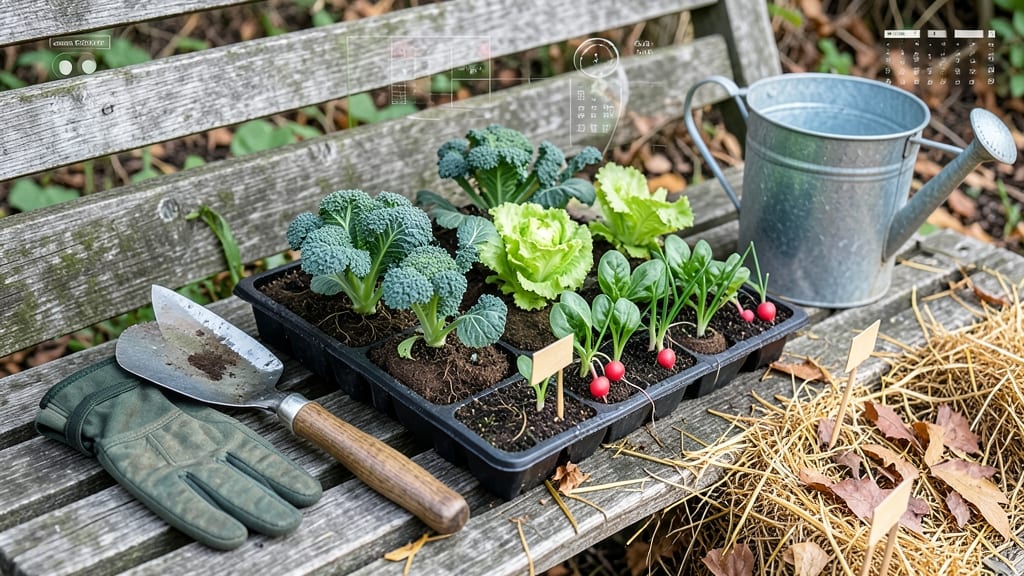
Timing your fall garden in Texas can feel like a high-stakes game—get it wrong, and you’ll either fry your plants in August heat or lose them to early frost.
But here’s the good news: with Texas’ diverse climate zones, there’s actually a perfect window for every region, from North Texas’ cooler hills to South Texas’ lingering warmth.
Whether you’re in Zone 8a or 10b, the key is planting 6-8 weeks before frost—but the exact dates shift dramatically. Central Texas gardeners start mid-August, while South Texas can wait until early October.
Miss these deadlines, and you’ll be fighting heat stress or scrambling to harvest before the first chill.
I’ve tested these strategies across Texas gardens, and the difference between a thriving 🥕 harvest and a failed plot often comes down to one thing: knowing when to put those seeds in the ground. Let’s break down the exact planting windows, crop-by-crop, so you can avoid the most common mistakes.
You’ll also discover how to stretch your season with row covers, which varieties handle Texas’ unpredictable falls best, and why soil temperature matters more than you think. Ready to turn your Texas garden into a fall bounty? Let’s get started.
Texas heat zone planting deadlines: exact dates to start your fall garden
Texas' diverse heat zones (8a-10b) create wildly different planting windows for fall gardens. In North Texas (Zones 7b-8a), you can start as early as late August, while South Texas (Zones 9a-10b) often waits until September.
The key is planting 6-8 weeks before your area's first frost date to ensure a full harvest before winter chill sets in.
Your soil temperature matters just as much as calendar dates. Most cool-season crops thrive when soil temps drop below 85°F but stay above 50°F. Use a soil thermometer to confirm readiness—this is especially critical in Central Texas where summer heat lingers into September.
Here's the critical timeline broken down by zone to avoid common mistakes like bolting lettuce or stunted brassicas. Miss these windows, and you'll either suffer from heat stress or race against frost.
| Texas Zone | First Frost Date | Ideal Planting Window | Soil Temp Threshold | Key Crops |
|---|---|---|---|---|
| North Texas (7b-8a) | December 1 | Late August - Mid-September | Below 80°F | Kale, Broccoli, Carrots |
| Central Texas (8b-9a) | November 15 | Mid-August - Mid-September | Below 85°F | Spinach, Radishes, Brussels Sprouts |
| South Texas (9b-10b) | December 15 | September - Early October | Below 90°F | Collards, Turnips, Cilantro |
For transplants (like broccoli or cabbage seedlings), aim to get them in the ground 4-6 weeks before your first frost. Direct-sown crops like lettuce or radishes can handle slightly later planting—just 6 weeks out.
In Zone 10b, you might even squeeze in a winter garden after your first frost if you use row covers.
One common mistake Texas gardeners make is waiting until late September to plant. By then, daytime temps may still hover in the 90s, causing bolting in leafy greens. Instead, start with heat-tolerant varieties like 'Black Seeded Simpson' lettuce or 'Heat of Summer' radishes if you're pushing the envelope.
Pro tip: Succession plant fast-maturing crops like bush beans or turnips every 2 weeks through September for continuous harvests. This works especially well in South Texas where the growing season stretches longer.
Always check your local frost dates—they can vary by 1-2 weeks even within the same zone. The Texas A&M AgriLife Extension offers free frost maps tailored to your county. Bookmark this resource before you plant!
Remember: Soil prep is just as critical as timing. Work in 2-3 inches of compost and a balanced fertilizer (10-10-10) before planting. This gives your fall crops the nutrient boost they need to thrive when summer's heat finally breaks.
🌱
Best fall vegetables for Texas gardens and when to sow them
Choosing the right fall vegetables for your Texas garden depends on your USDA heat zone and whether you're starting seeds indoors or direct-sowing outdoors.
In North Texas (Zones 7-8), you can begin sowing cool-season crops as early as late August, while Central Texas (Zones 8-9) gardeners should wait until mid-September to avoid summer heat stress.
For South Texas (Zones 9-10), where winters are milder, you can even plant heat-tolerant varieties like collard greens or turnips in September and enjoy harvests through December. Always check your local first frost date—aim to plant 6-8 weeks before frost arrives to ensure a full growing season.
Sow 4-6 weeks before frost (late August in North Texas, September in Central/South Texas). Fast-maturing varieties like 'Black Seeded Simpson' lettuce (30 days) work best.
Direct-sow 3-4 weeks before frost (September in North Texas, October in South Texas). 'Danvers' carrots thrive in cooler soil but need consistent moisture.
Start transplants 6-8 weeks before frost (August in North Texas, September in Central Texas). 'Waltham 29' broccoli handles Texas heat better than most varieties.
Sow 2-3 weeks before frost (September-October). Cilantro bolts quickly in heat, so late summer sowings are ideal for fall harvests.
Plant 60-70 days before frost (August in North Texas). 'Sugar Snap' peas tolerate light frosts and produce sweet pods in cooler weather.
If you're transplanting seedlings, harden them off for 7-10 days before moving to the garden. For direct-sown seeds, keep soil moist until germination—Texas' dry air can quickly dry out seed beds.
Use organic mulch like straw to retain moisture and suppress weeds, especially in South Texas where evaporation rates are higher.
Pro tip: Succession plant fast-maturing crops like radishes or bush beans every 2 weeks for continuous harvests. In North Texas, you might squeeze in 2-3 harvests before frost, while South Texas gardeners can extend harvests into January with the right varieties.
Remember, Texas' unpredictable weather means your fall garden might face early frosts or heat spikes. Monitor your plants closely, and don’t hesitate to use row covers to protect tender crops like lettuce or spinach when nighttime temperatures drop below 40°F.