
Companion Plants
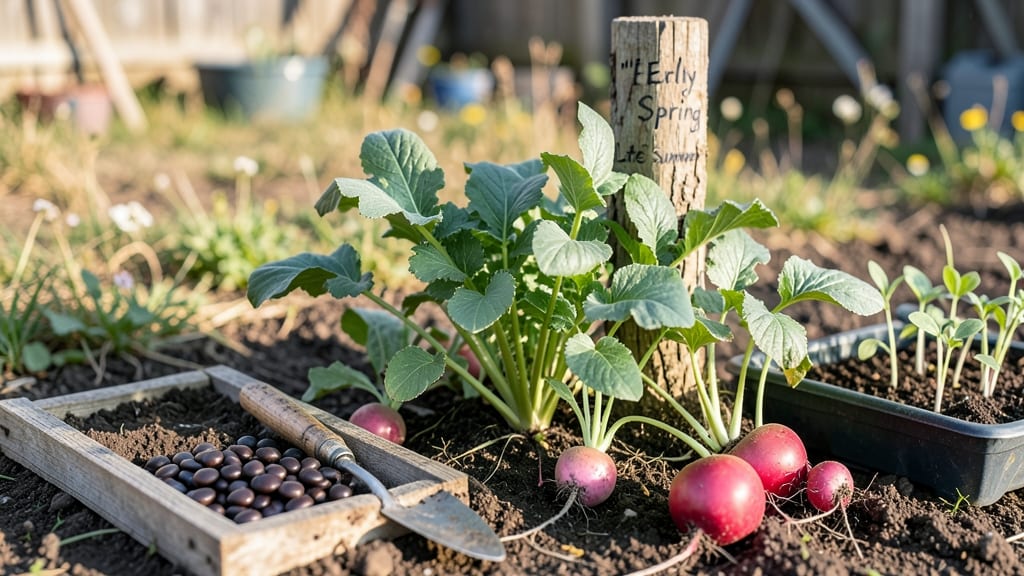
If you're wondering when you can plant radishes in Zone 5, timing is the secret to those crisp, sweet 🥕 harvests you crave—not the bitter, tough ones that ruin your salads.
The difference between a perfect spring crop and a disappointing one often comes down to planting just a few weeks too early or late.
Radishes are the speed demons of the garden, ready to harvest in as little as 3 weeks, but they won’t wait forever. In Zone 5, your best bets are early spring (March–April) or late summer (July–August), when soil temperatures hit that sweet spot for germination.
Get it wrong, and you’ll either face frost damage or radishes that bolt before you can enjoy them.
I’ve tested the exact windows that work in my Zone 5 garden, and the results speak for themselves: faster growth, fewer pests, and harvests that last from May through October. Whether you’re growing quick Cherry Belle varieties or slower Daikon types, these timing tricks will keep your radishes on track.
Ready to skip the guesswork? Let’s break down the precise weeks before frost that guarantee your radishes will thrive—no more waiting or wondering. You’ll learn how to stretch your growing season, avoid common mistakes, and even squeeze in extra harvests with succession planting.
Zone 5 radish planting timeline: weeks before frost for ideal harvests
In Zone 5, radishes thrive when planted at the right time—too early and they bolt from cold, too late and they struggle with heat.
The key is planting 4–6 weeks before your last frost date (typically mid-May in most Zone 5 regions) for spring harvests, or 8–10 weeks before first frost (usually mid-October) for fall crops.
Fast-maturing varieties like 'Cherry Belle' (25 days) or 'Early Scarlet Globe' (28 days) give you flexibility, while slower types like 'Black Spanish' (60+ days) need earlier starts. Soil temperature matters too—radishes sprout best when soil reaches 40–50°F, so wait until late March or early April for spring plantings.
Here’s the breakdown of your Zone 5 radish planting timeline with exact weeks before frost for ideal harvests:
| Planting Window | Weeks Before Frost | Best Varieties |
|---|---|---|
| Early Spring (March–April) | 4–6 weeks before last frost | 'Cherry Belle', 'French Breakfast', 'Easter Egg' |
| Late Summer (July–August) | 8–10 weeks before first frost | 'Black Spanish', 'Daikon', 'White Icicle' |
| Fall (September) | 10–12 weeks before first frost | 'Winter Blood', 'Pink Beauty', 'White Icicle' |
For spring plantings, aim to sow seeds 4–6 weeks before your last frost date. In most of Zone 5, this lands in late March to early April. Use row covers if nights dip below 40°F to protect young seedlings from frost damage.
Fall radishes need a longer growing window. Plant 8–10 weeks before your first frost (usually July–early August in Zone 5) for a late-season harvest. Choose cold-hardy varieties like 'Winter Blood' or 'White Icicle' to withstand cooler temperatures.
Succession planting every 2 weeks ensures a continuous harvest. Fast varieties like 'Cherry Belle' can even be sown every 7–10 days for a steady supply. Just avoid planting too close to frost—radishes won’t mature if temperatures drop below 50°F for extended periods.
If your soil is slow to warm in spring, use black plastic mulch or a cold frame to raise soil temperatures by 5–10°F. This lets you plant earlier and extend your harvest window by 2–3 weeks.
Remember: Radishes are fast but finicky. Overcrowding or uneven soil moisture leads to bolting (flowering prematurely) or pithy (woody) roots. Thin seedlings to 1–2 inches apart and keep soil consistently moist but not soggy.
With these exact timing guidelines, you’ll enjoy crisp, sweet radishes from spring to fall—no bitter surprises! 🥕
Zone 5 radish planting timeline: weeks before frost for ideal harvests
In Zone 5, radishes thrive when planted at the right time—too early and they bolt in the cold, too late and they struggle before frost. The key is understanding your last frost date (typically mid-May) and calculating backward based on your radish variety's maturity time.
Most radishes mature in 25–35 days, giving you two perfect planting windows: early spring and late summer.
For spring planting, aim to sow seeds 4–6 weeks before your last frost. In Zone 5, that means early March to mid-April. Fast varieties like 'Cherry Belle' (25 days) can handle cooler soil, while slower types like 'French Breakfast' (35 days) need warmer conditions.
Use a soil thermometer—radishes sprout best when soil temps reach 45°F.
| Planting Window | Best Varieties | Days to Maturity | Weeks Before Frost |
|---|---|---|---|
| Early Spring (March–April) | 'Cherry Belle', 'Easter Egg' | 20–30 days | 4–6 weeks |
| Late Summer (July–August) | 'French Breakfast', 'Black Spanish' | 30–35 days | 6–8 weeks |
Fall planting in Zone 5 works too! Sow seeds 8–10 weeks before your first frost (mid-October), which lands in late July to early August. Choose varieties like 'White Icicle' that tolerate cooler temps. Mulch with straw to protect seedlings from early frosts, and harvest before hard freezes hit.
Pro tip: Use succession planting every 2 weeks in spring and fall to ensure a steady harvest. In Zone 5, this means sowing new batches in March, April, July, and August. Thin seedlings to 1 inch apart once they sprout—crowding leads to small, pithy radishes.
Watch for bolt-resistant varieties like 'Radicchio' if your spring is unpredictable. These handle temperature swings better than standard types. Always plant in well-draining soil with a pH of 6.0–7.0—radishes hate soggy roots.
Timing your radishes in Zone 5 isn't just about frost dates—it's about balancing soil warmth, daylight hours, and variety selection. With these exact windows, you'll enjoy crisp, sweet radishes from spring to fall. 🥕