
How To
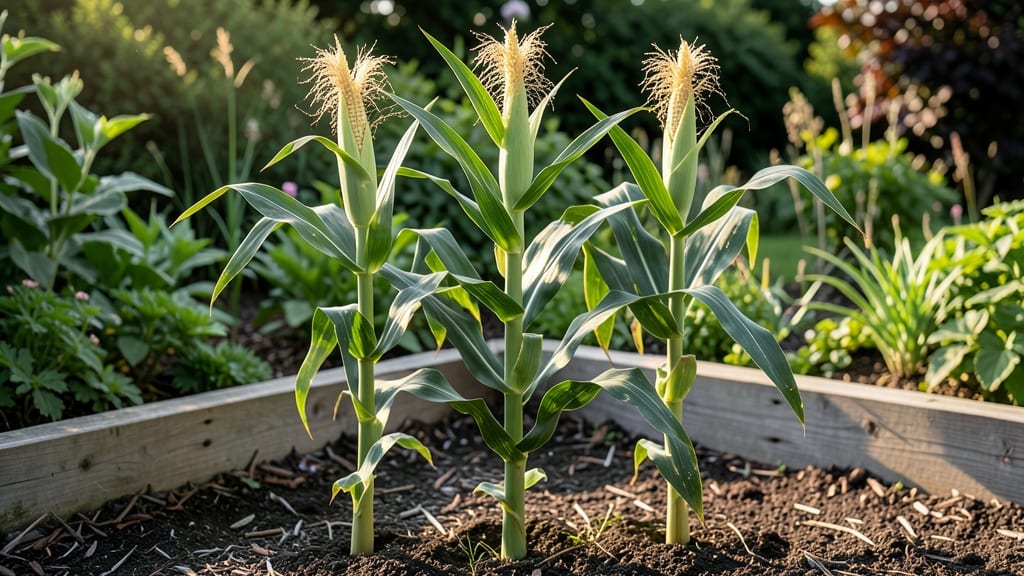
If your 🌽 isn't growing as tall and strong as you'd hoped, the answer might be simpler than you think—how much light does corn plant need to thrive?
The truth is, corn is a sun-lover, and getting this right is the difference between a lush harvest and disappointing stunted plants.
Most gardeners assume corn can handle just some sunlight, but here's the catch: your 🌽 actually demands at least 6-8 hours of direct light daily to develop those plump ears we all crave.
Too little, and you'll notice weak stems or pale leaves—clear signs your plant is begging for more brightness.
Don't worry if your garden isn't basking in full sun all day. I'll show you how to spot light deficiencies early and adjust your planting strategy, whether you're working with partial shade or limited space.
With the right approach, even beginner growers can give their corn the perfect light conditions it craves.
Ready to unlock the secrets to healthier corn? Let's dive into the exact light requirements your plants need—and how to create the ideal growing environment—so you can enjoy a bountiful harvest from July through September.


Ideal light requirements for corn plants: bright indirect sunlight explained
Corn plants (Zea mays) are sun worshippers—they crave bright, direct sunlight to produce those sweet, plump ears we all love. Without enough light, your corn plants will struggle to grow tall, develop ears, or even survive past early stages.
Let’s break down exactly how much light corn needs and where to place it for maximum success.
For optimal growth, corn requires 6 to 8 hours of direct sunlight daily. This means positioning your plants in the sunniest spot of your garden or near a south-facing window if growing indoors.
Corn is a full-sun plant, so partial shade will lead to weak stems, sparse leaves, and poor ear development.
Here’s the key: Morning sun is gentler and helps prevent leaf scorch, while afternoon sun is more intense. If you’re growing corn in containers, rotate them every few days to ensure even light exposure on all sides. This mimics natural sunlight patterns and prevents lopsided growth.
Now, let’s clarify a common misconception: Corn doesn’t just tolerate bright indirect light—it thrives on direct sun. While some plants can survive with filtered light, corn’s energy needs are too high.
Think of it like this: 6 hours of direct sun = 8+ hours of bright indirect light to achieve the same energy output.
| Light Requirement | Specification | Ideal Conditions |
|---|---|---|
| Minimum Daily Sunlight | 6 hours | Critical for stalk and ear development |
| Optimal Daily Sunlight | 8+ hours | Maximizes ear size and kernel sweetness |
| Best Window Placement | South-facing | 6 AM–6 PM sunlight exposure |
| Indoor Light Alternative | Grow lights (12+ hrs/day) | Use LED grow lights 6–12 inches above plants |
| Seasonal Adjustments | Rotate plants | Every 3–4 days for even growth |
If you’re planting corn in your garden, choose a location that receives uninterrupted sunlight from early morning to late afternoon. Avoid areas shaded by trees, fences, or tall structures.
For container-grown corn, place pots on a sunny balcony or patio and use reflective surfaces (like white walls) to bounce extra light onto the plants.
Pro tip: Monitor your corn’s light exposure by observing leaf color and growth rate. Healthy corn leaves are deep green and upright, while underlit plants develop yellowish leaves and elongated stems. This is your plant’s way of signaling it’s not getting enough energy from sunlight.
For indoor growers, grow lights are a game-changer. Use full-spectrum LED lights placed 6–12 inches above the plants and keep them on for 12–14 hours daily. This mimics the long daylight hours corn needs to thrive.
Just remember: More light = bigger ears, but avoid burning leaves by keeping lights at the right distance.
In summary, corn plants are light hogs—they demand 6–8 hours of direct sunlight daily for best results. Whether you’re growing them outdoors in a sunny patch or indoors under grow lights, prioritize light exposure to ensure strong stalks, healthy leaves, and those coveted sweet corn ears.
🌽
Ideal light requirements for corn plants: bright indirect sunlight explained
Corn plants thrive best with 6-8 hours of direct sunlight daily, but they can tolerate some bright indirect light—especially in hot climates. Unlike many houseplants, corn needs intense sunlight to develop strong stalks and plump ears.
Without enough light, your corn will grow tall but weak, with sparse leaves and poor ear production.
For indoor corn plants, place them near a south-facing window where they can receive the most sunlight.
If your windows face east or west, rotate the plant daily to ensure even light exposure. West-facing windows can provide strong afternoon light, but avoid placing corn near glass that gets hot—it can scorch the leaves.
| Requirement | Specification |
|---|---|
| Minimum Daily Light | 6 hours of direct sunlight |
| Optimal Daily Light | 8+ hours of full sun |
| Best Window Placement | South-facing window (6 AM–6 PM) |
| Indoor Light Fix | Grow lights 12–16 inches away |
| Outdoor Shade Tolerance | Partial shade (30% shade cloth max) |
If your corn isn’t getting enough natural light, supplement with a full-spectrum grow light placed 12–16 inches above the plant. LED grow lights are energy-efficient and mimic sunlight well. Run them for 12–14 hours daily to mimic summer daylight. In cooler months, extend light exposure to compensate for shorter days.
Watch for yellowing leaves or elongated stems—these are classic signs of light deficiency. If you notice these, move your corn to a sunnier spot immediately. Even a few hours of extra light can make a difference in your plant’s health and productivity.
For outdoor gardens, choose the sunniest spot in your yard, away from tall trees or buildings that cast shade. Corn planted in partial shade will still grow, but expect smaller ears and weaker stalks.
If you must grow corn in shade, use a 30% shade cloth to filter light gently while still allowing enough brightness.
Remember, corn is a sun-worshipper—the more light it gets, the better it performs. With the right light balance, you’ll enjoy tall, sturdy stalks and sweet, plump ears ready for harvest.
Keep an eye on your plant’s leaves and adjust its position as needed to keep it thriving all season! 🌽☀️