
Plants
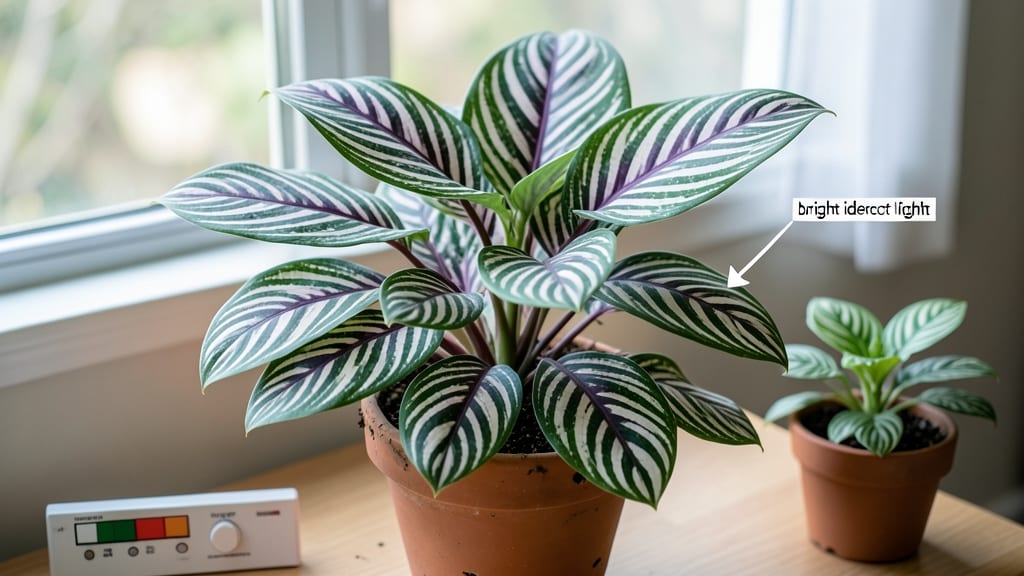
How much light does a zebra plant need to keep those bold stripes popping? If your 🌿 isn’t thriving, the answer might surprise you—it’s not just about "lots of sun." Too much direct light can scorch those stunning leaves, while too little dulls the colors and stretches out the stems.
This tropical beauty actually prefers bright indirect sunlight, mimicking its natural understory habitat. Think of it like a sunbather with sunscreen—it wants warmth without the harsh rays. The key is finding that sweet spot where your zebra plant gets enough light to stay vibrant without getting stressed.
I’ve seen gardeners struggle with this balance, moving their plants around only to end up with leggy, sad-looking zebra plants. The good news? With a few simple tweaks—like adjusting placement or using sheer curtains—you can create the perfect light conditions. Let’s break down exactly what your plant needs to flourish.
Whether you’re dealing with a north-facing window or a bright living room, I’ll show you how to spot the signs of light stress and make adjustments that actually work. Your zebra plant’s striking foliage is just a few tweaks away!


Zebra plant light requirements: the perfect balance of low to bright indirect sunlight
The zebra plant (Aphelandra squarrosa) thrives in conditions that mimic its native tropical understory, where dappled sunlight filters through dense canopies. Unlike sun-loving succulents, this plant hates direct sunlight—even a few hours of harsh rays can scorch its delicate leaves.
Instead, focus on bright indirect light, which keeps those iconic yellow stripes vibrant and encourages bushy growth. Most gardeners accidentally place their zebra plants in too much light, causing leaf burn, so let’s break down the ideal spectrum and how to recreate it at home.
Your zebra plant’s light needs fall into three key zones: low light (survival mode), medium indirect (ideal balance), and bright indirect (peak performance). Each zone triggers different responses in the plant’s foliage and growth patterns.
For example, in low light, the plant conserves energy by stretching toward any available light, while bright indirect light triggers faster growth and more pronounced variegation. Understanding these zones helps you diagnose issues before they become irreversible.
Here’s how to match your home’s lighting to your zebra plant’s needs using real-world examples. A north-facing window provides the gentlest light, perfect for low-light scenarios, while a south-facing window with a sheer curtain mimics bright indirect light.
Even office spaces with fluorescent lighting can work if supplemented with a grow light. The key is observing your plant’s leaf color and growth habits—these are the best indicators of whether you’ve got the light right.
| Light Condition | Ideal Placement | Leaf Color Indicators | Daily Exposure Time | Growth Impact |
|---|---|---|---|---|
| Low Light (500-1,000 lux) | North-facing windows, 6+ feet from east/west windows | Dull green with faded stripes | 4-6 hours max | Slow growth, leggy stems |
| Medium Indirect (1,000-3,000 lux) | 3-5 feet from east/west windows, 2 feet from south windows (filtered) | Vibrant yellow/green stripes, compact growth | 6-8 hours | Healthy, bushy plant |
| Bright Indirect (3,000-5,000 lux) | 1-2 feet from south windows (with sheer curtain) | Deep yellow stripes, glossy leaves | 8-10 hours | Optimal blooming, rapid growth |
If your zebra plant is placed in a south-facing window without a curtain, it’s likely receiving too much direct light. Even just 1-2 hours of direct sun per day can cause leaf bleaching or crispy edges.
To fix this, move the plant 3-4 feet away from the window or hang a sheer white curtain to diffuse the light.
I once had a zebra plant in a west-facing window, and within a week, the leaves started turning yellow and brittle—moving it just 2 feet back saved it within days.
The east-facing window is actually the gold standard for zebra plants because it provides gentle morning light without the harsh afternoon sun. Place your plant 2-3 feet away from an east window to achieve the medium indirect light zone, which is where most zebra plants hit their sweet spot.
For low-light scenarios, like a basement or interior room, avoid placing the plant near a west-facing window—afternoon sun is even more intense than morning light.
Pro tip: Rotate your zebra plant quarter-turns every 2-3 weeks to ensure even light exposure on all sides. This prevents the plant from leaning toward one light source, which is a classic sign of light deficiency.
I notice my zebra plant starts tilting toward the window when it’s not getting enough light—this is your plant’s way of begging for more! A simple rotation keeps it upright and encourages symmetrical growth.
For gardeners in apartments or offices with limited natural light, a
Signs your zebra plant isn’t getting enough (or too much) light
Your zebra plant’s leaf patterns and growth habits are direct messages about its light conditions. If the yellow stripes fade to plain green, it’s begging for more bright indirect light.
Conversely, crispy edges or bleached spots mean it’s sunburned from too much direct exposure. Paying attention to these visual cues can save your plant from decline.
One of the first warning signs of low light is etiolation—when stems stretch unusually long and become weak. This happens as the plant reaches for any available light, often resulting in leggy, sparse growth.
Check your plant’s height-to-leaf ratio: if stems are 3x taller than the leaves, it’s time to adjust its location.
🌿 Too little light also causes dull foliage and fewer blooms. The variegated stripes on zebra plant leaves rely on light to stay vibrant. Without enough, the chlorophyll dominates, turning leaves solid green. Even worse, your plant may stop producing new leaves entirely, signaling a metabolic slowdown.
Too Little Light Symptoms
- Leaves lose variegation (stripes fade to solid green)
- Stems stretch (etiolation) toward light source
- Slow growth or no new leaves
- Solution: Move 1-2 feet closer to bright indirect light or use a grow light 6-8 inches away for 12-14 hours/day
Too Much Light Symptoms
- Yellow/brown leaf tips or crispy edges
- Leaves scorch (white/brown patches)
- Premature leaf drop
- Solution: Relocate to filtered light (e.g., sheer curtain) or increase distance from window by 3+ feet
On the flip side, excessive light causes oxidative stress in zebra plant leaves. Look for brown patches or white speckling—these are classic signs of sunburn. Unlike low-light issues, which develop gradually, light damage often appears within days of moving your plant to a sunnier spot.
If you notice these symptoms, immediate action is key to preventing further damage.
For quick fixes, rotate your plant quarter-turns weekly to ensure even light exposure. If your home lacks natural light, a south-facing window with a sheer curtain is ideal. For extreme cases, supplement with a grow light on a 12-hour timer to mimic natural daylight cycles.
🪴 Remember, zebra plants are tropical understory dwellers, so they’re used to dappled sunlight. Mimic their natural habitat by providing filtered light and avoiding harsh midday sun. With the right balance, your zebra plant will reward you with bold stripes and lush growth all year round.