
Plants
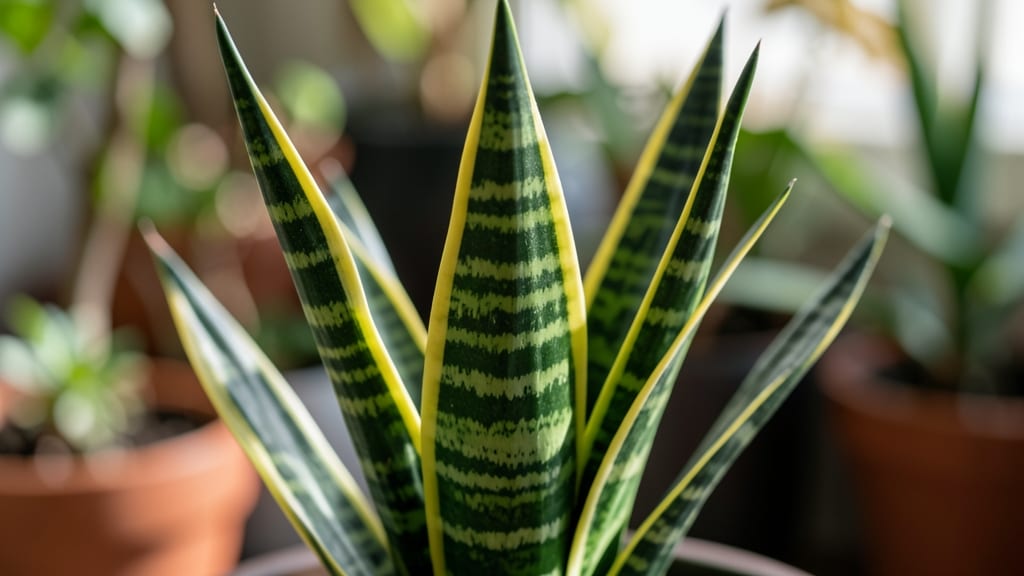
Snake plant light requirements: low to bright indirect sun explained
Snake plants (Sansevieria) are famous for their adaptability, but their light requirements are often misunderstood. Unlike sun-loving plants, they thrive in low to bright indirect light, making them perfect for homes with limited natural sunlight.
Understanding these needs helps prevent common issues like yellowing leaves or stunted growth.
Most snake plants tolerate 2-4 hours of filtered light daily, but they can survive with as little as 20% sunlight intensity. This flexibility makes them ideal for offices, bedrooms, or spaces far from windows. Variegated varieties, however, need slightly more light to maintain their striking patterns.
| Light Condition | Ideal Placement | Growth Impact |
|---|---|---|
| Low Light (<2 hrs/day) | North-facing windows or 6+ ft from windows | Slow growth, pale leaves |
| Medium Light (2-4 hrs/day) | East/west windows or 3-5 ft from south windows | Healthy growth, vibrant leaves |
| Bright Indirect (4-6 hrs/day) | 1-3 ft from south/west windows (with sheer curtain) | Optimal growth, dark green leaves |
| Direct Sun (>6 hrs/day) | Unfiltered sunlight (e.g., south-facing windows without shade) | Leaf burn, brown tips, crispy edges |
For variegated snake plants, aim for bright indirect light to prevent leaf color fading. Solid-green varieties are more forgiving but still benefit from 3-5 feet of distance from windows. If your plant shows yellow or brown patches, adjust its position immediately.
Artificial grow lights can supplement natural light, especially in winter. A 12-hour LED grow light (1,000-2,000 lumens) placed 12-18 inches above the plant mimics ideal conditions. Rotate the pot weekly to ensure even growth and prevent leaning toward light sources.
Watch for these light-related signs: Dark green leaves indicate perfect lighting, while pale or stretched leaves mean more light is needed. Conversely, crispy edges or sunken spots signal too much direct sun. A healthy snake plant should grow 6-12 inches per year in optimal conditions.
Pro tip: Place your snake plant in a spot where you spend the most time—like a bedroom or office—since it purifies air while you sleep or work. Just avoid drafty areas, as sudden temperature drops can stress the plant.
Remember, snake plants are drought-tolerant, but their light needs directly impact their resilience. Even low-light conditions won’t kill them, but they’ll grow slower and look less vibrant. With the right balance, your snake plant will reward you with years of low-maintenance beauty.
🌱
How to adjust your snake plant’s light exposure for optimal growth
Snake plants are famously adaptable, but even they need the right balance of light to thrive. If your snake plant is growing slowly or showing signs of stress, adjusting its light exposure can make all the difference.
The key is finding that sweet spot between low light and too much sun, where it can photosynthesize without burning.
Most snake plants do well with bright indirect light, which mimics their natural habitat under the canopy of taller plants. However, not all homes offer this ideal setup.
Whether your plant is struggling in a dim corner or suffering from sunburned leaves, small tweaks to its placement can revive its growth and keep those iconic arching leaves vibrant.
🌱 Did You Know? Variegated snake plants (like 'Futura Superba') need slightly more light than solid-green varieties to maintain their striking patterns. Without enough light, their leaves may revert to all green, losing their unique beauty.
⚠️ Warning: Signs of Light Stress in Snake Plants
Too Little Light: Slow growth, pale or yellowing leaves, and leaves stretching toward the light source (a condition called etiolation).
Too Much Light: Brown or crispy leaf tips, white or yellow patches on leaves (sunburn), and a generally brittle appearance.
Action: Move your plant gradually to avoid shocking it. Sudden changes can stress the plant more than the original lighting issue.
If your snake plant is in a low-light room, like a bathroom or basement, consider rotating it every 4-6 weeks to ensure even growth. Uneven light exposure can cause one side of the plant to grow taller or lean, creating an unsightly imbalance.
A simple quarter-turn every month keeps it symmetrical and healthy.
For plants in bright indirect light, like near an east- or west-facing window, monitor them closely during peak sun hours (10 AM–4 PM). If you notice yellowing or brown spots, move it back a few feet or use a sheer curtain to diffuse the light.
Artificial grow lights can also supplement natural light, especially in winter when days are shorter.
Pro tip: Dust the leaves every few months to maximize light absorption. Dust blocks sunlight, reducing the plant’s ability to photosynthesize efficiently. A damp cloth or leaf shiner tool makes this task quick and effective.
Remember, snake plants are resilient, but they’ll reward you with faster growth and healthier leaves when given the right light conditions. Start with small adjustments, observe how your plant responds, and fine-tune as needed. With the right balance, your snake plant will become a thriving, low-maintenance centerpiece. 🪴